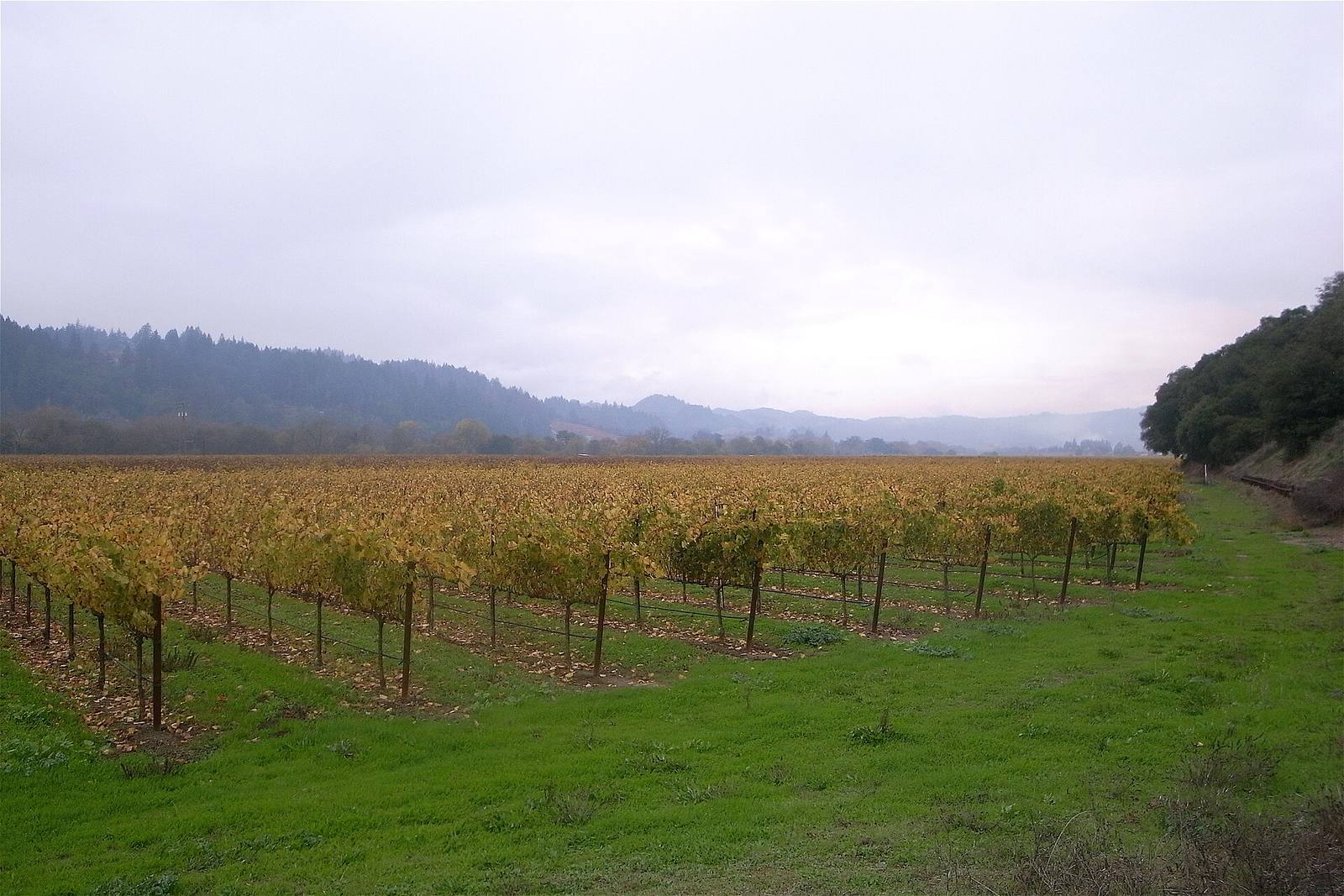
When the AQI passes 150, the harvest rulebook changes
Cal/OSHA's wildfire smoke standard triggers monitoring, exposure controls, training, and respirators for vineyard crews. Compliance is now a harvest cost.
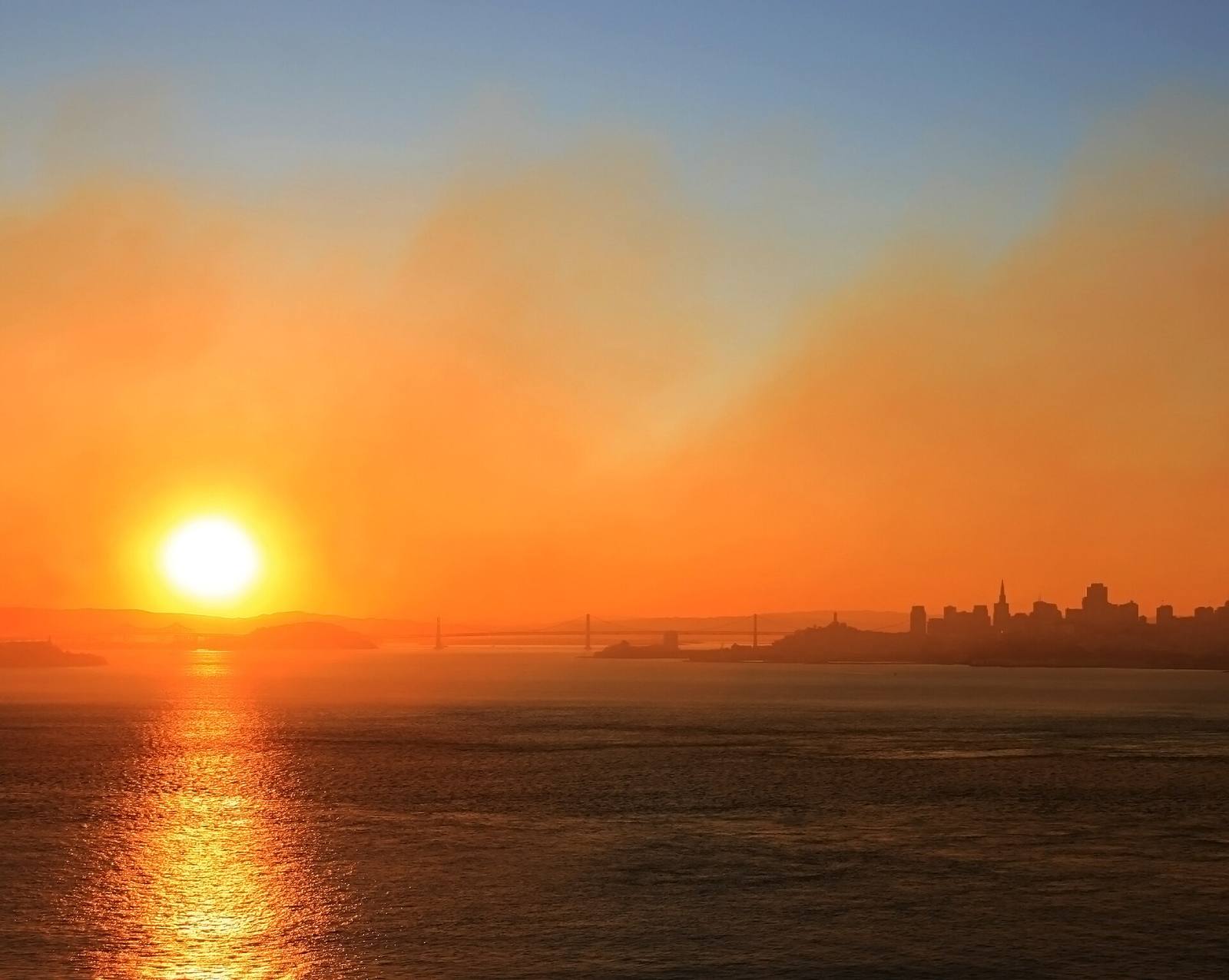
NAPA: Every harvest now carries a second forecast. Under Cal/OSHA Section 5141.1, when fine particulate pollution from wildfire smoke pushes the Air Quality Index above 150, employers of outdoor and semi-indoor workers must monitor air quality, control exposure, train workers, and make respirators available.
The rule is specific about the trigger and the duties. The state workers' health unit, WOSHTEP, publishes the compliance guide: check the AQI before and during shifts, reduce or relocate work when the air worsens, communicate the hazard in a language workers understand, and have N95s on hand before they are needed, not after.
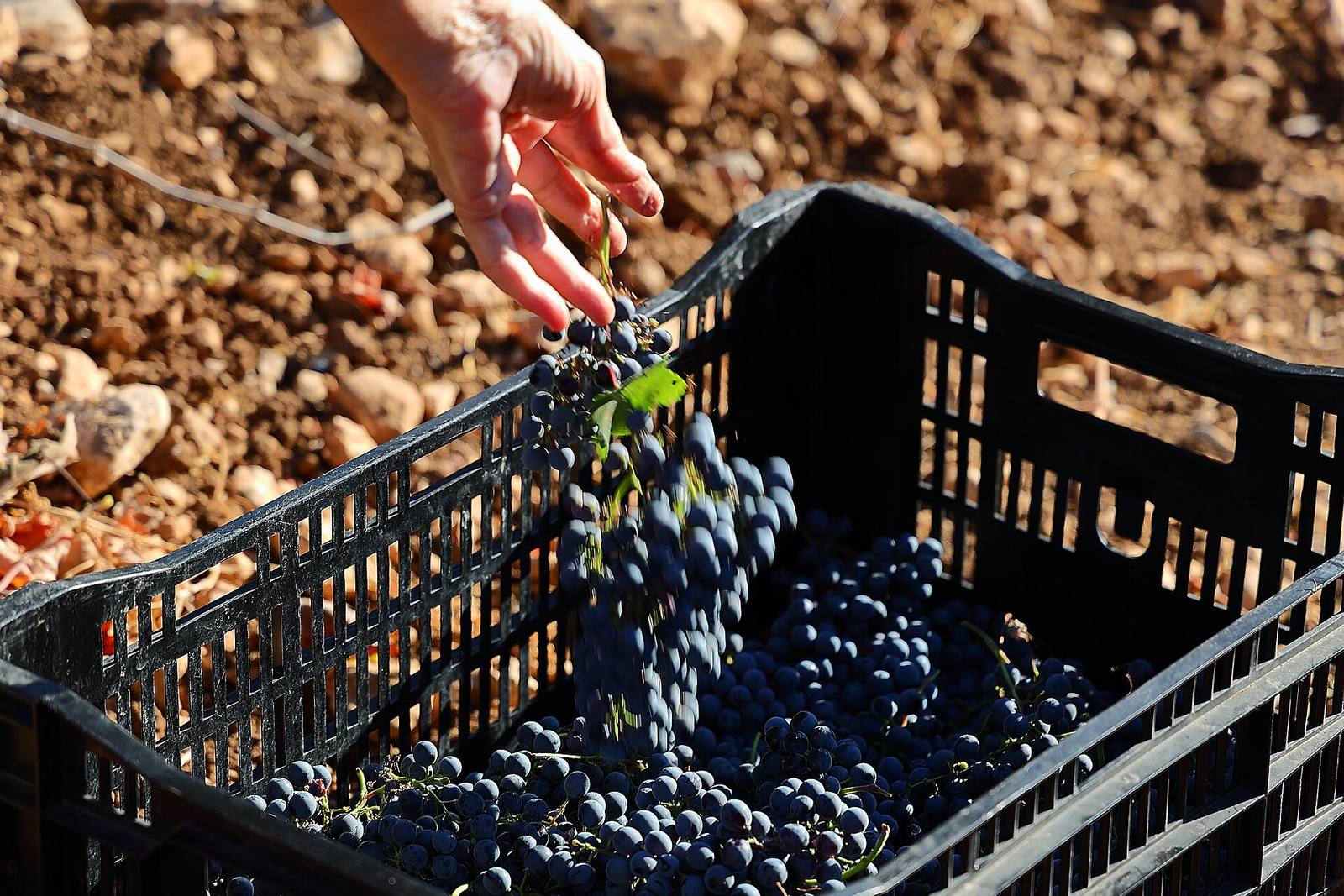
The University of California's safety offices translate the standard into crew-level practice: supervisors check official AQI sources, move the most strenuous tasks to cleaner-air hours, and enforce the respirator supply as personal protective equipment, not as an optional comfort.
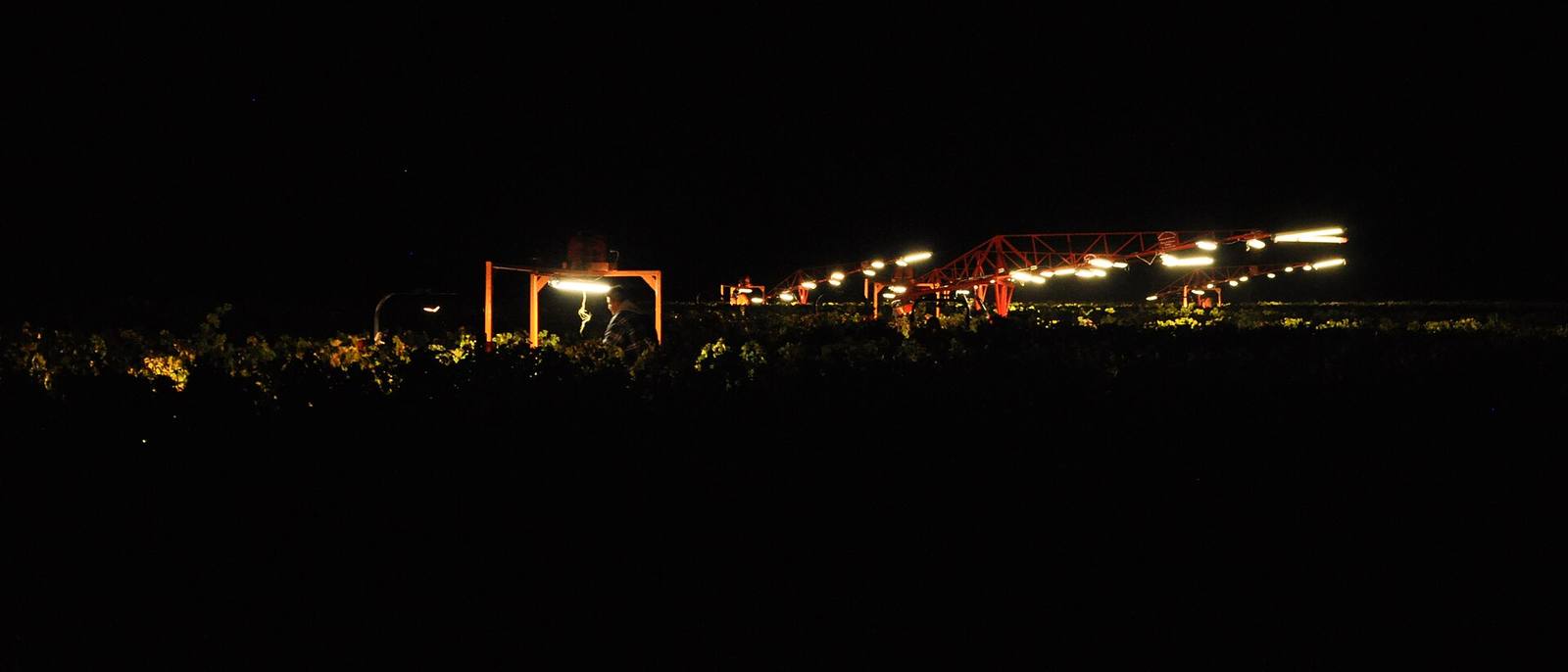
For growers, the economics are straightforward and new. A smoke event that idles a crew for two days does not move the harvest window; it compresses it, which means overtime, night picks under lights, or fruit left hanging. The compliance cost is real, but the unpicked-fruit cost is larger.
The deeper shift is cultural. A decade ago, smoke was an act of God discussed after the fact. Now it is a line item in the harvest budget, with a regulation number, a monitoring protocol, and a paper trail that Cal/OSHA can audit.
The growers who treat 5141.1 as harvest infrastructure, stocked respirators, trained foremen, a written smoke plan, will pick through the next bad-air week. The ones who treat it as paperwork will learn the difference the expensive way.
None to date. The Tribune corrects errors promptly and transparently. Read our corrections policy.