No-alcohol wine is the trade's only confident growth line
IWSR projects 36 percent volume growth for no-alcohol analogues from 2024 to 2029, and Treasury Wine Estates has put $15 million of steel behind the bet.
NAPA: While the conventional wine trade argues about the bottom, the no-alcohol category keeps posting the numbers everyone else wishes they had. IWSR's January 2026 release projects no-alcohol analogue volumes growing 36 percent between 2024 and 2029, reaching more than 18 billion servings.
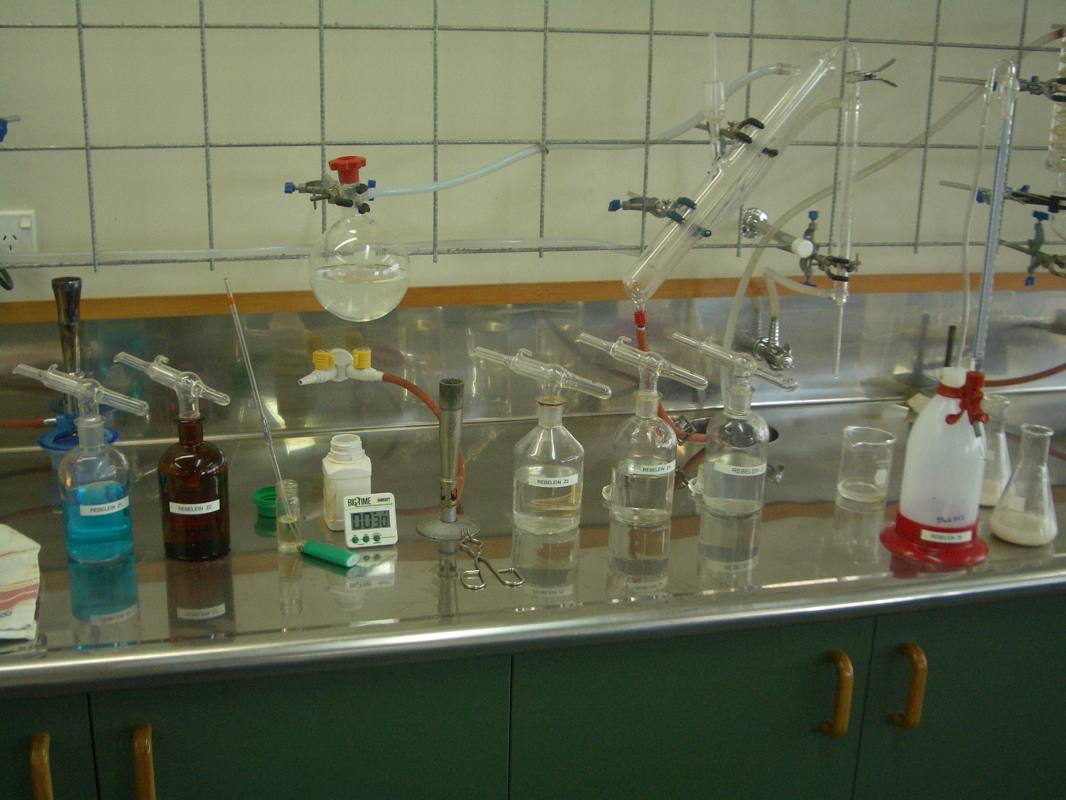
The capital is following the forecast. Treasury Wine Estates has built a $15 million dealcoholisation facility in Australia's Barossa Valley, unveiled in February, using a proprietary Flavour Lock process that captures and reintroduces the wine's aromatic essence during alcohol removal.
The facility produces the next generation of no-and-low wines for TWE brands including Squealing Pig and Pepperjack, alongside existing offerings under Matua, 19 Crimes, Lindeman's, and Wolf Blass. TWE also launched Sorbet, a low-alcohol brand developed with Endeavour Group.
The strategic logic is demographic, not moral. With half of the world's regular wine drinkers moderating alcohol intake, according to Food and Drink Business, the category is recruiting occasions, not just drinkers: the lunch pour, the weeknight glass, the buyer who still wants the ritual without the alcohol.
For California producers, the question is whether no-and-low is a parallel industry or a cannibal. The early evidence from TWE's approach suggests the former: the facility is framed as building a hub of innovation and sustainability in the Barossa, an additive bet rather than a concession.
The trade's skeptics note that no-alcohol wine remains a small base, and that 36 percent growth from a small base is still small. The bull case is that it is the only segment where the growth line points up and to the right without an asterisk, and capital is voting accordingly.
None to date. The Tribune corrects errors promptly and transparently. Read our corrections policy.