Harvest runs on visas, and the visa math just changed
Sonoma County H-2A certifications rose from 92 jobs in 2008 to 1,639, a federal court threw out the wage methodology behind a $3-an-hour pay cut, and the 2026 harvest is caught in between.
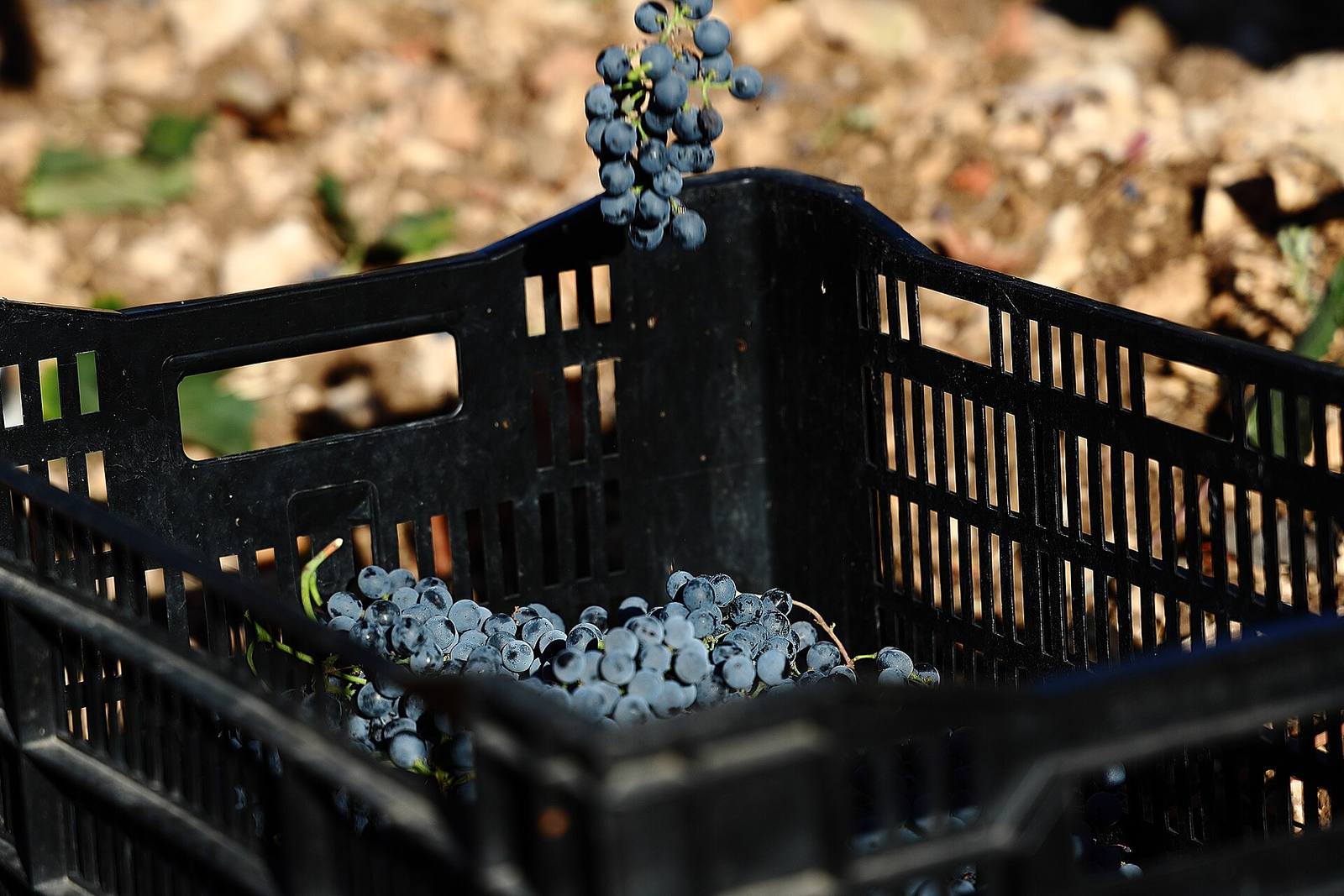
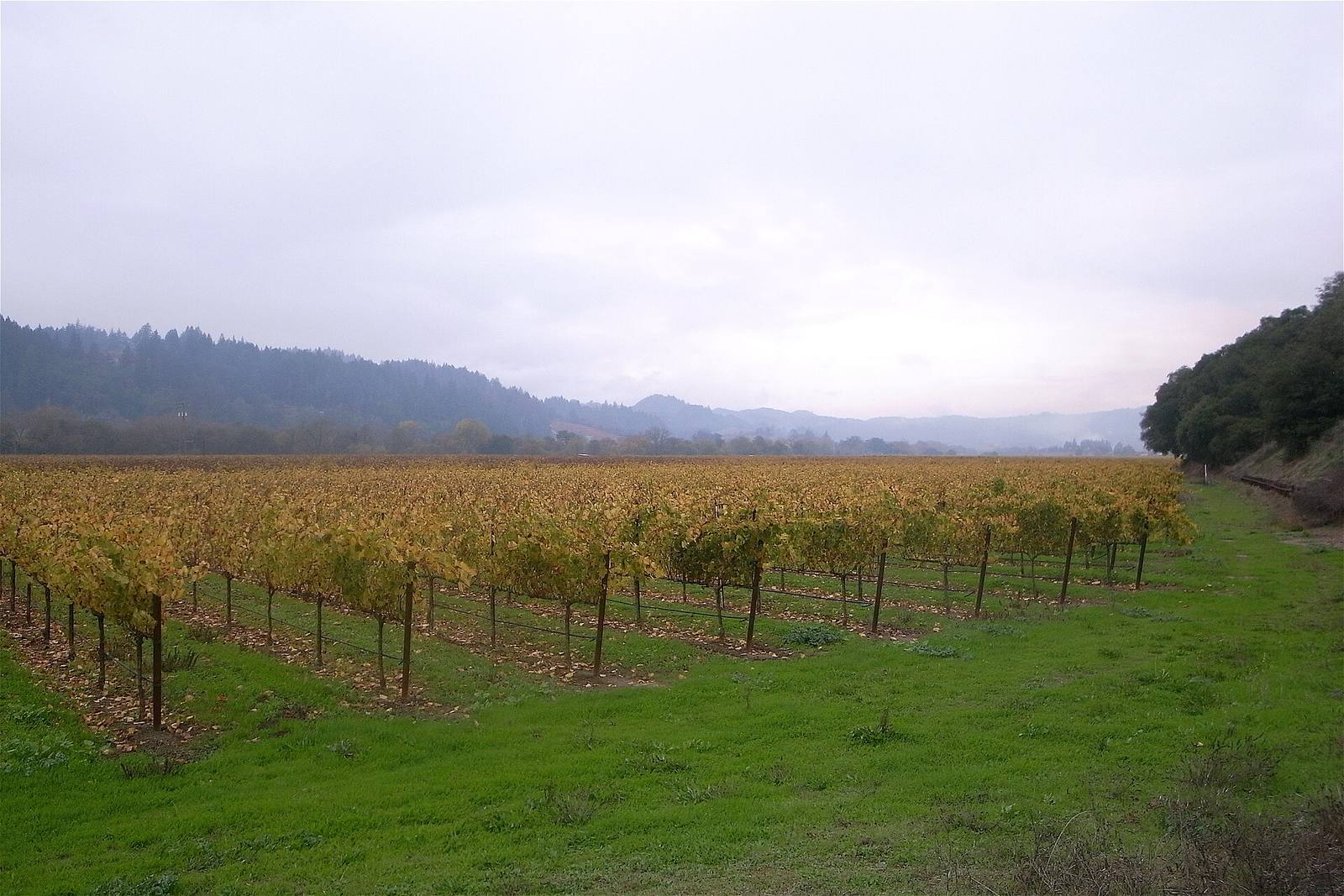
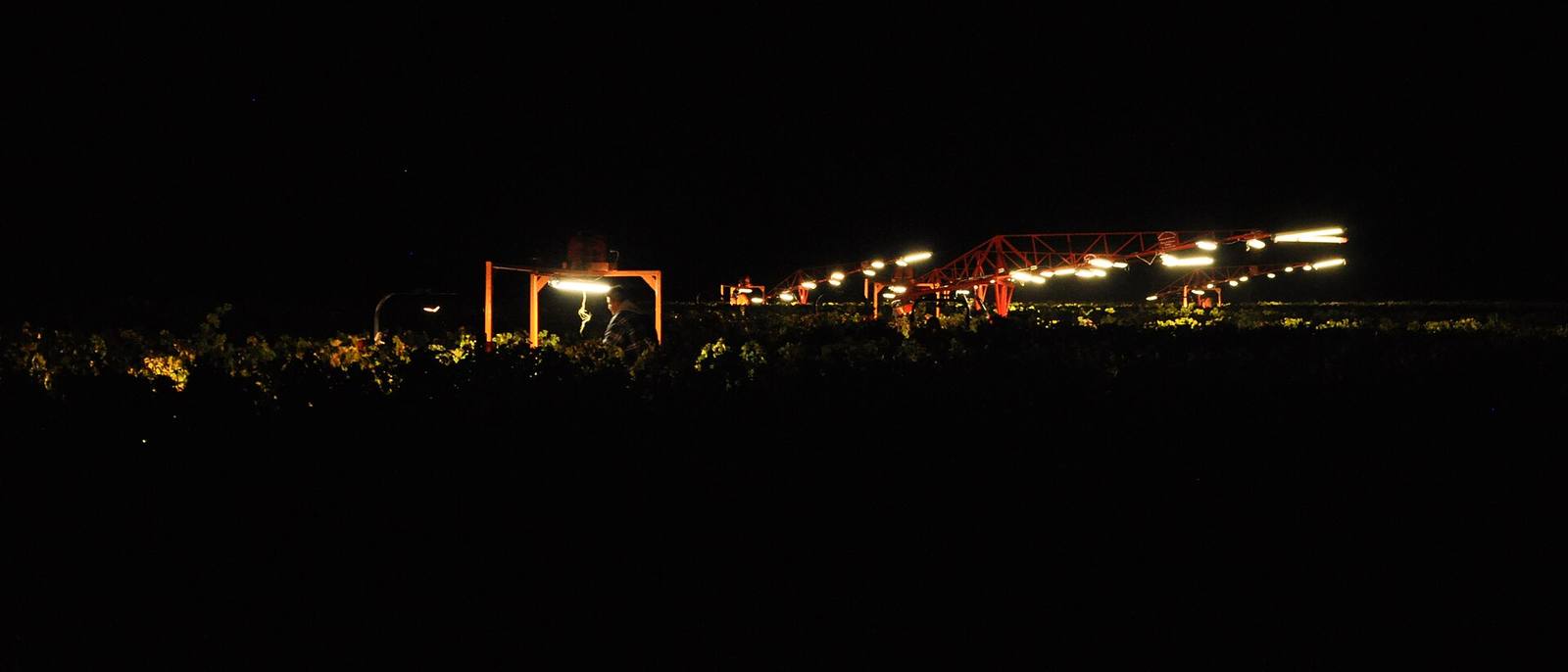
SANTA ROSA: Wine country's harvest workforce is increasingly a visa workforce. In Sonoma County, H-2A temporary agricultural worker certifications grew from 92 jobs in 2008 to 1,639 in the most recent year, according to Department of Labor data cited by the Tribuno del Pueblo, and growers across the North Coast now plan harvest labor around the federal guest-worker pipeline.
The program's wage floor just survived a courtroom. On August 26, 2026, U.S. District Judge Kirk E. Sherriff of the Eastern District of California ruled in United Farm Workers et al. v. DOL that the Department of Labor's October 2025 interim final rule changing how the Adverse Effect Wage Rate is calculated was unlawful, finding key portions arbitrary and capricious under the Administrative Procedure Act, according to Envoy Global's analysis of the decision.
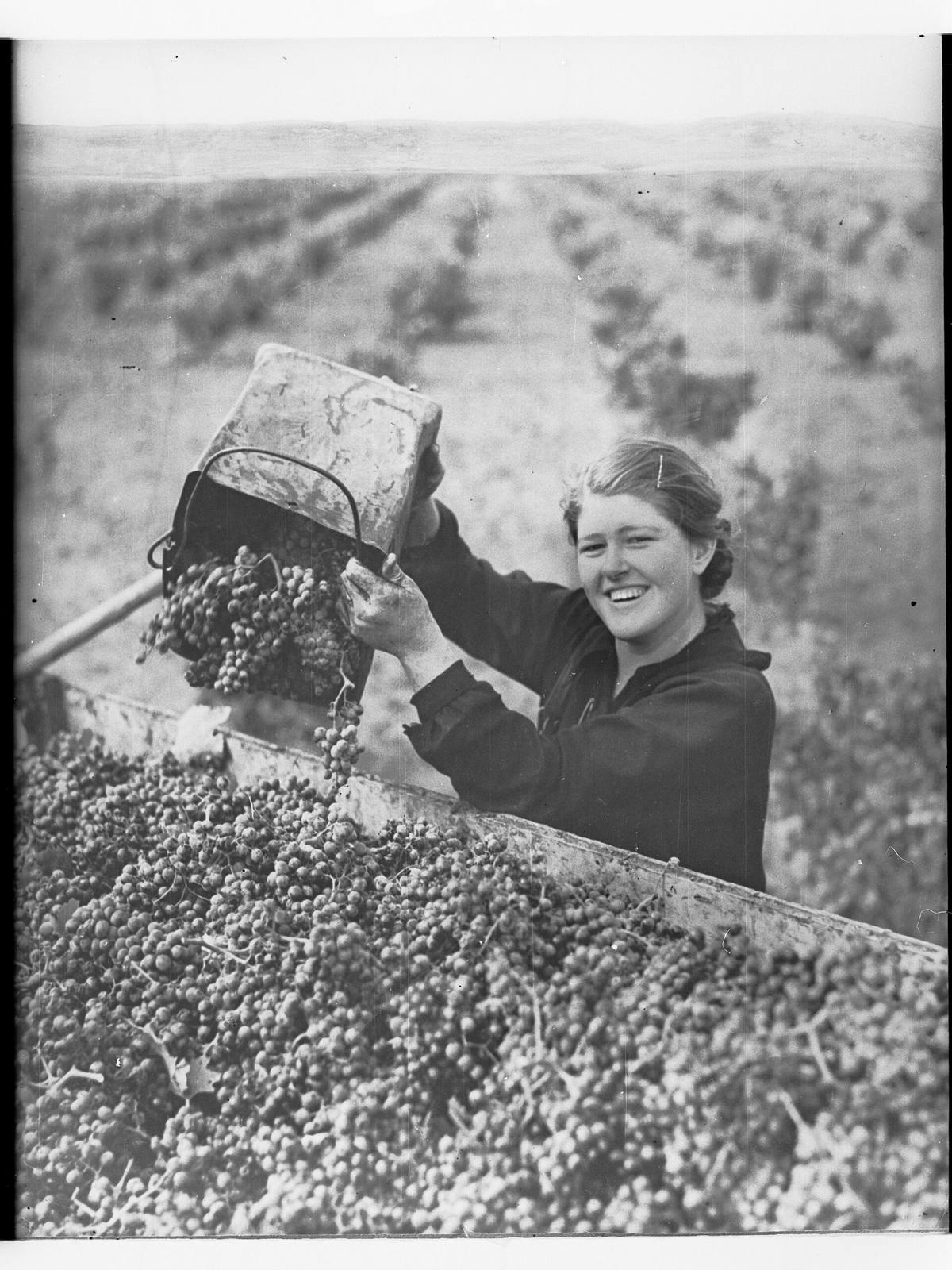
The stakes in that rule were enormous. Farmworker advocates argued the 2025 methodology change cut wages by as much as $7 an hour in certain states. The UFW Foundation called it one of the largest wealth transfers from workers to employers in U.S. agricultural history, projecting it would deprive workers of $2.46 billion a year, as reported by Stacker.
But the court declined to vacate the rule, leaving the challenged wage rates temporarily in effect while the department builds a replacement methodology, to avoid disruption to the agricultural labor market. Harvest, as ever, does not wait for appellate calendars.
Then came the backpay warning. On September 2, 2026, the department's Office of Foreign Labor Certification notified employers that wage-adjustment payments may eventually be required for H-2A workers and U.S. workers in corresponding employment who worked during a backpay period running from September 2 until new rates issue, if the replacement rates exceed what was paid, according to WisLawNOW and BAL Immigration. No back-pay obligation exists yet, but growers are now told to preserve complete payroll records and keep workers' contact information current.
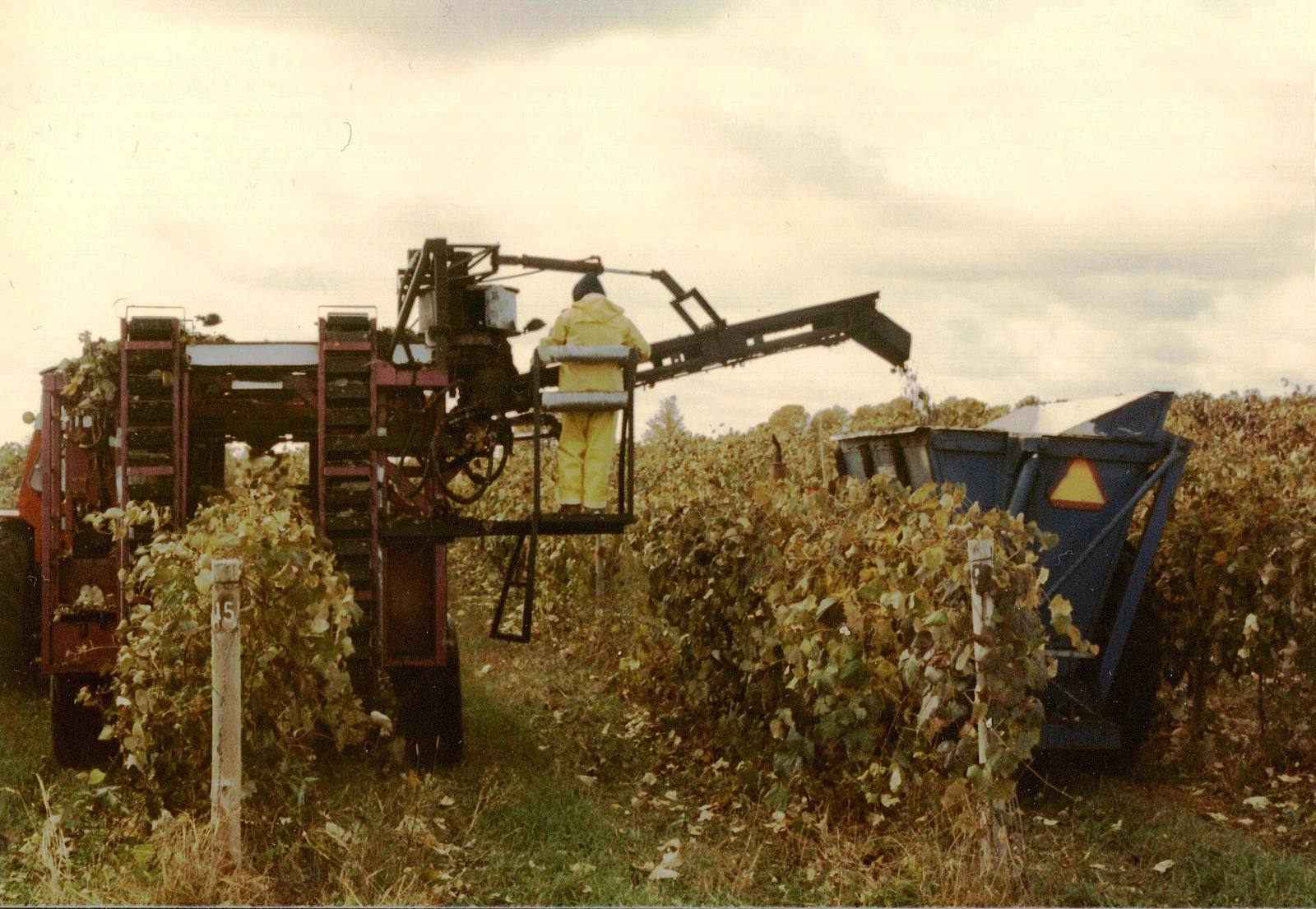
The H-2A pipeline itself keeps widening. The Department of Labor has projected the program could grow from 383,000 workers in 2025 to more than 500,000 by 2034, and in June the Department of Homeland Security moved to open the seasonal H-2A workforce to the non-seasonal dairy industry, Stacker reported.
For winery operators, the labor line item is no longer a commodity cost to be minimized; it is a compliance and continuity risk to be managed. The growers who harvest cleanly this year are the ones treating payroll records with the same seriousness as spray schedules, because the backpay period is already running.
None to date. The Tribune corrects errors promptly and transparently. Read our corrections policy.