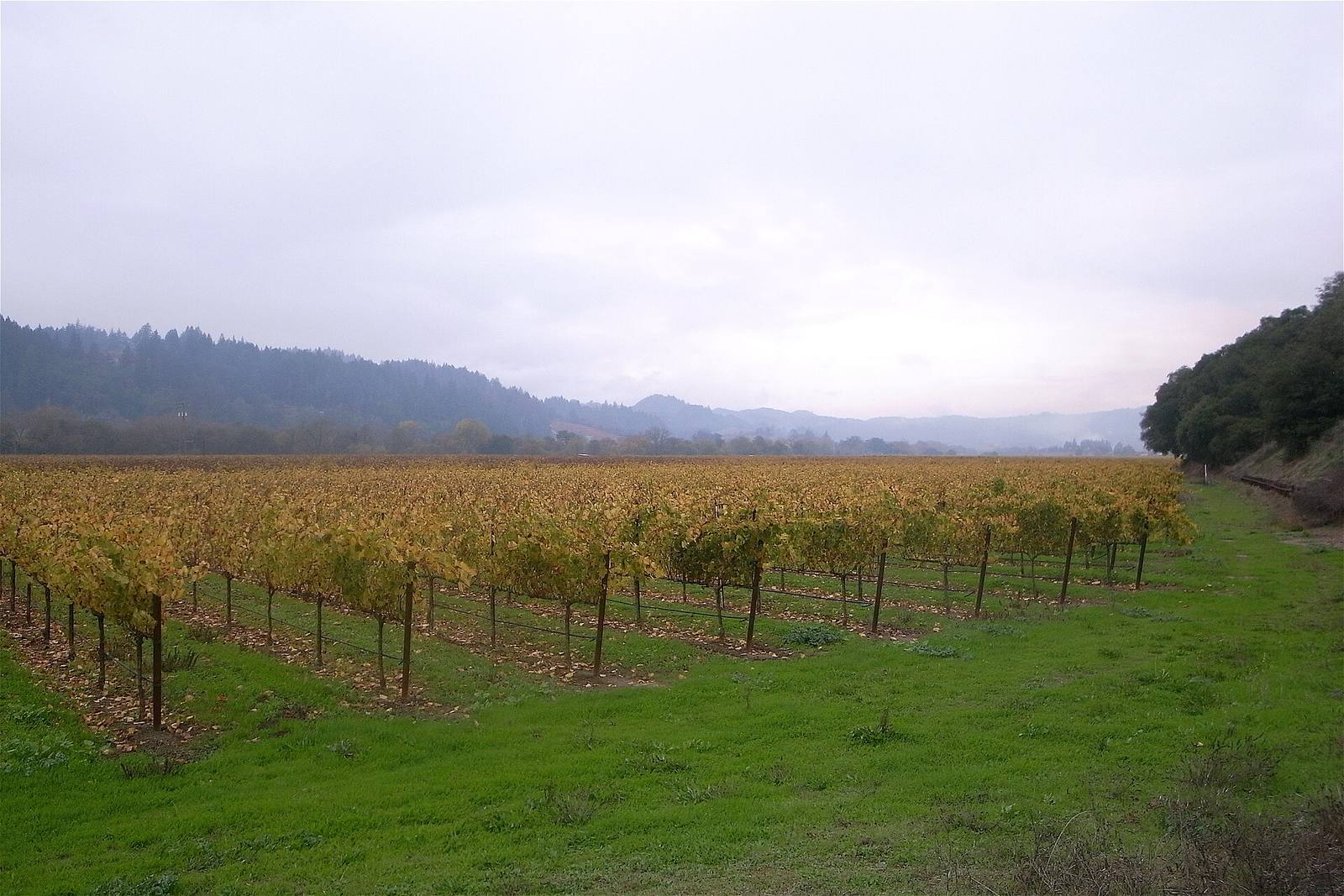
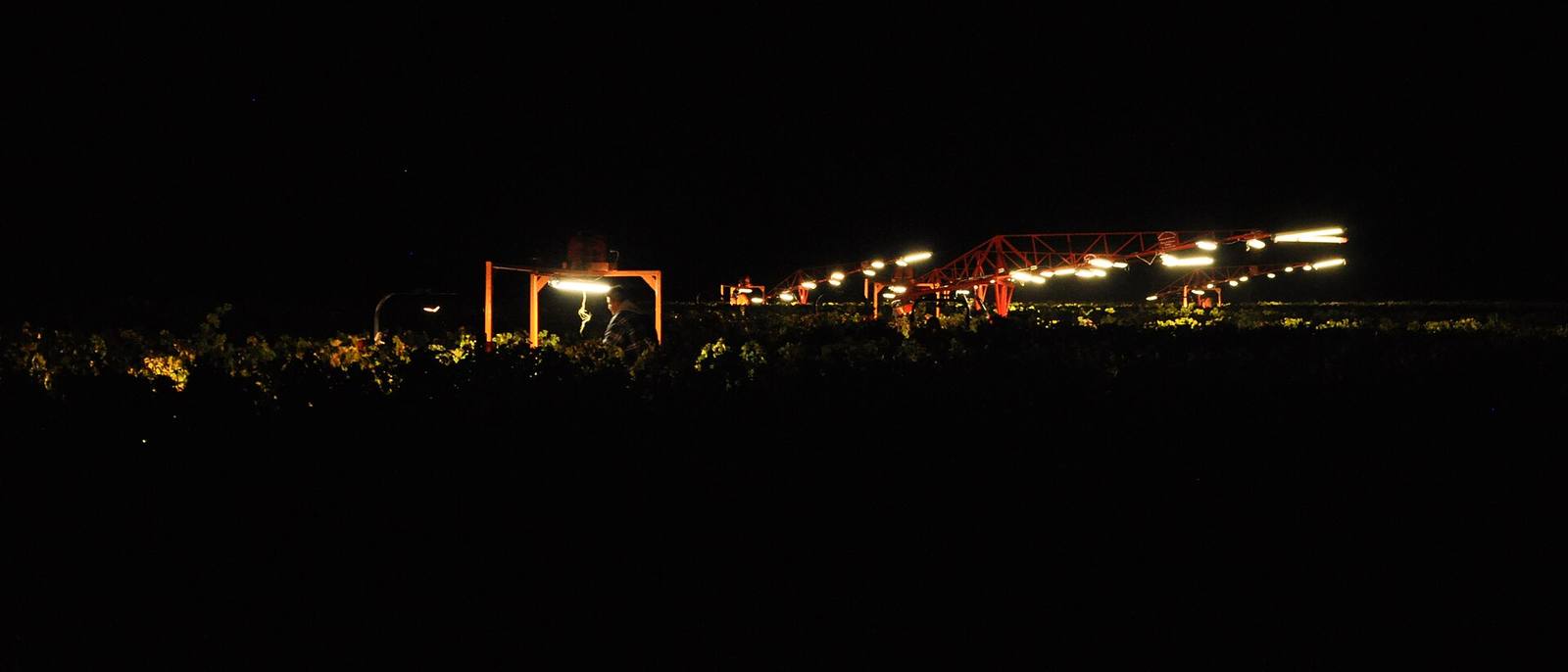
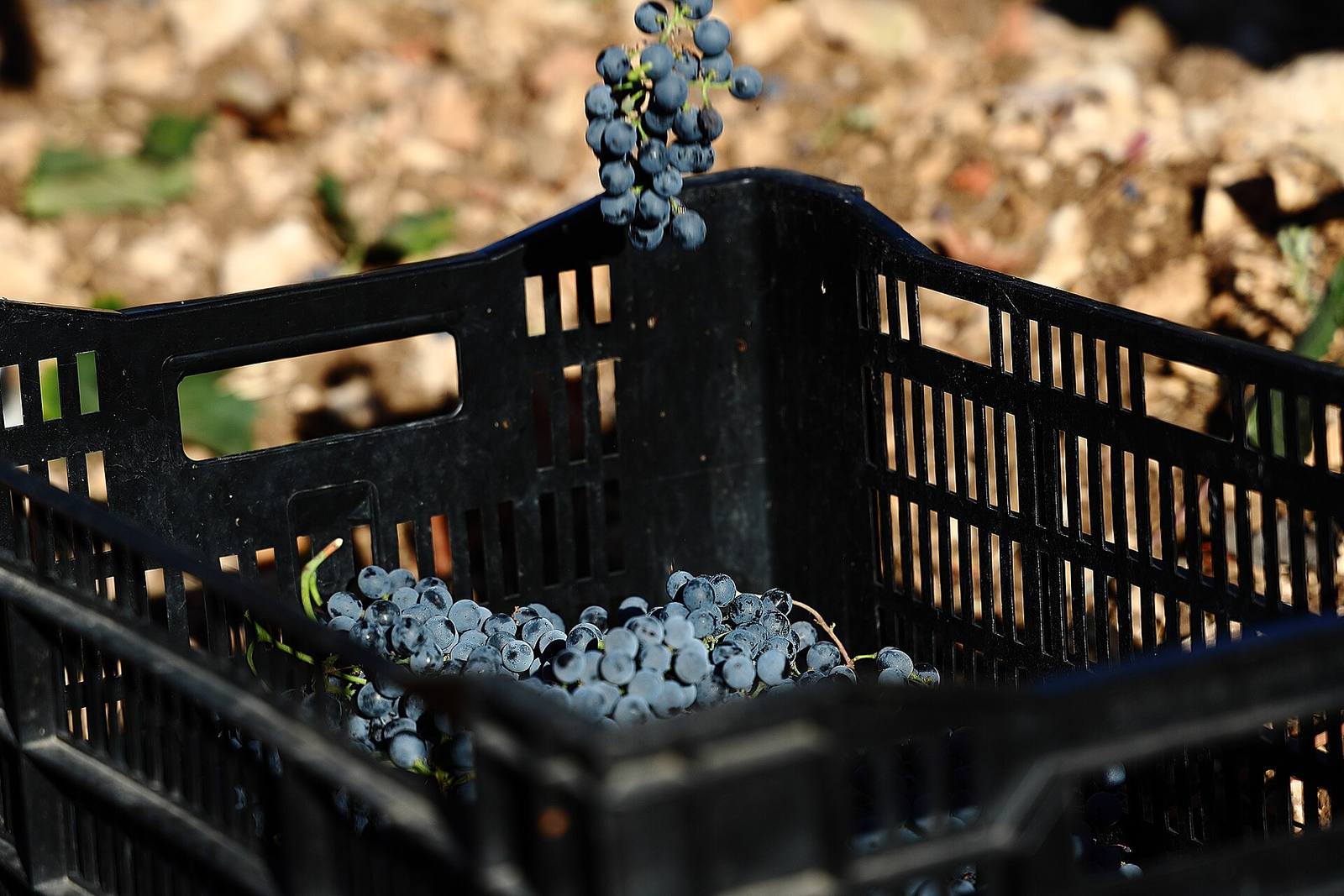
Sonoma closes its earliest harvest in years, with a crop 35 to 40 percent light
Sonoma County Winegrowers said on October 19 that the county harvest is complete, ending a season that opened with the first pick on July 16 and produced an estimated crop 35 to 40 percent below average, with growers across five AVAs reporting small berries, strong acidity and whites finished weeks ahead of normal.
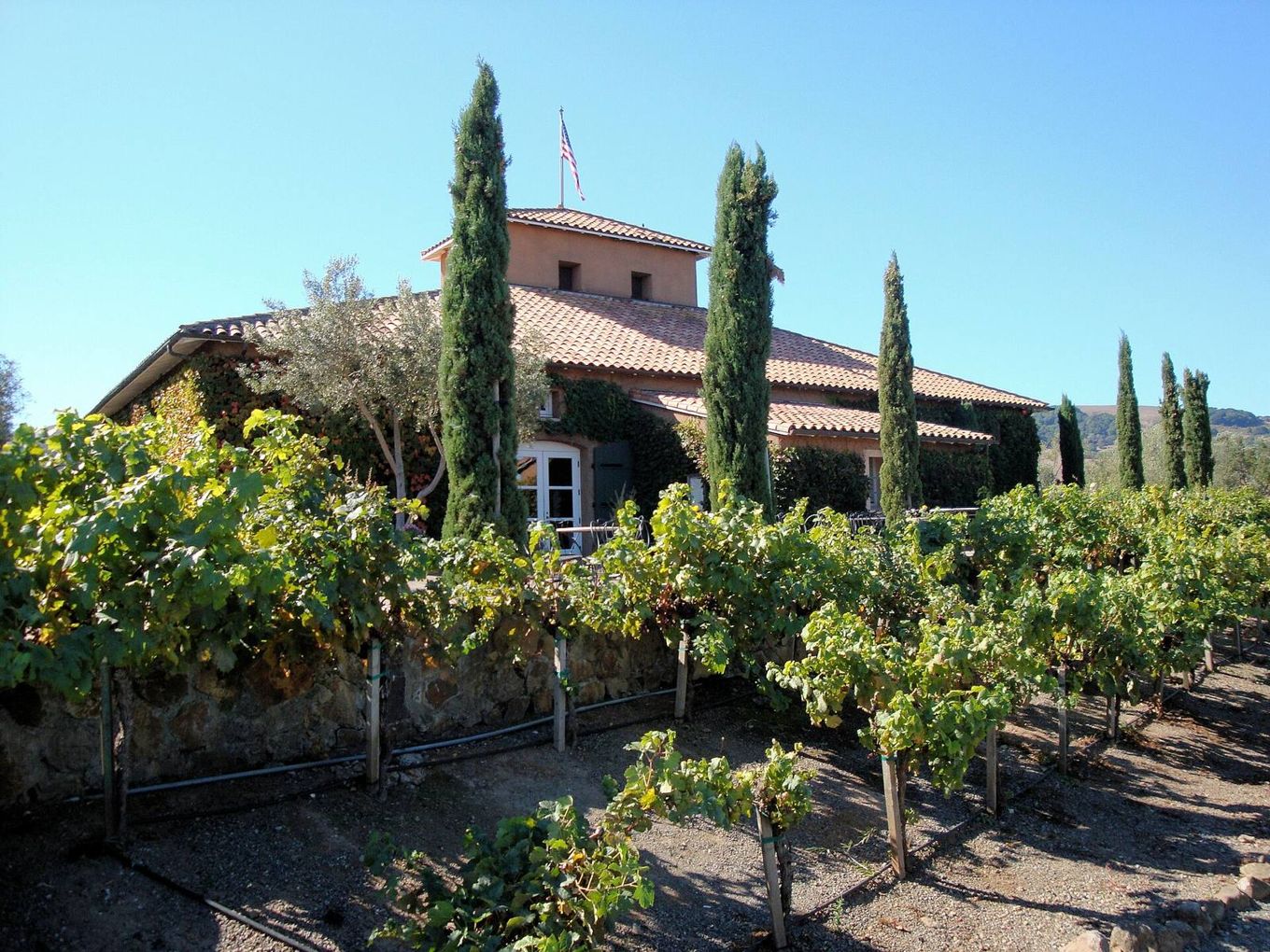
SANTA ROSA: Sonoma County has finished picking. Sonoma County Winegrowers announced on October 19 that the 2026 harvest is complete, closing a season the association described as one of the earliest in years and one of the lighter crops in years, with the total harvest estimated at about 35 to 40 percent lighter than average.
The size of the shortfall is the trade number in the announcement. A crop that far below average means less fruit for growers to sell and less wine for wineries to make from a county with more than 1,800 grape growers across 19 American Viticultural Areas, in the association's own description of its membership. The association's president and chief executive, Karissa Kruse, said a thin crop is hard on farming families, while also expressing hope that a short crop could help rebalance grape supply and demand across the county.
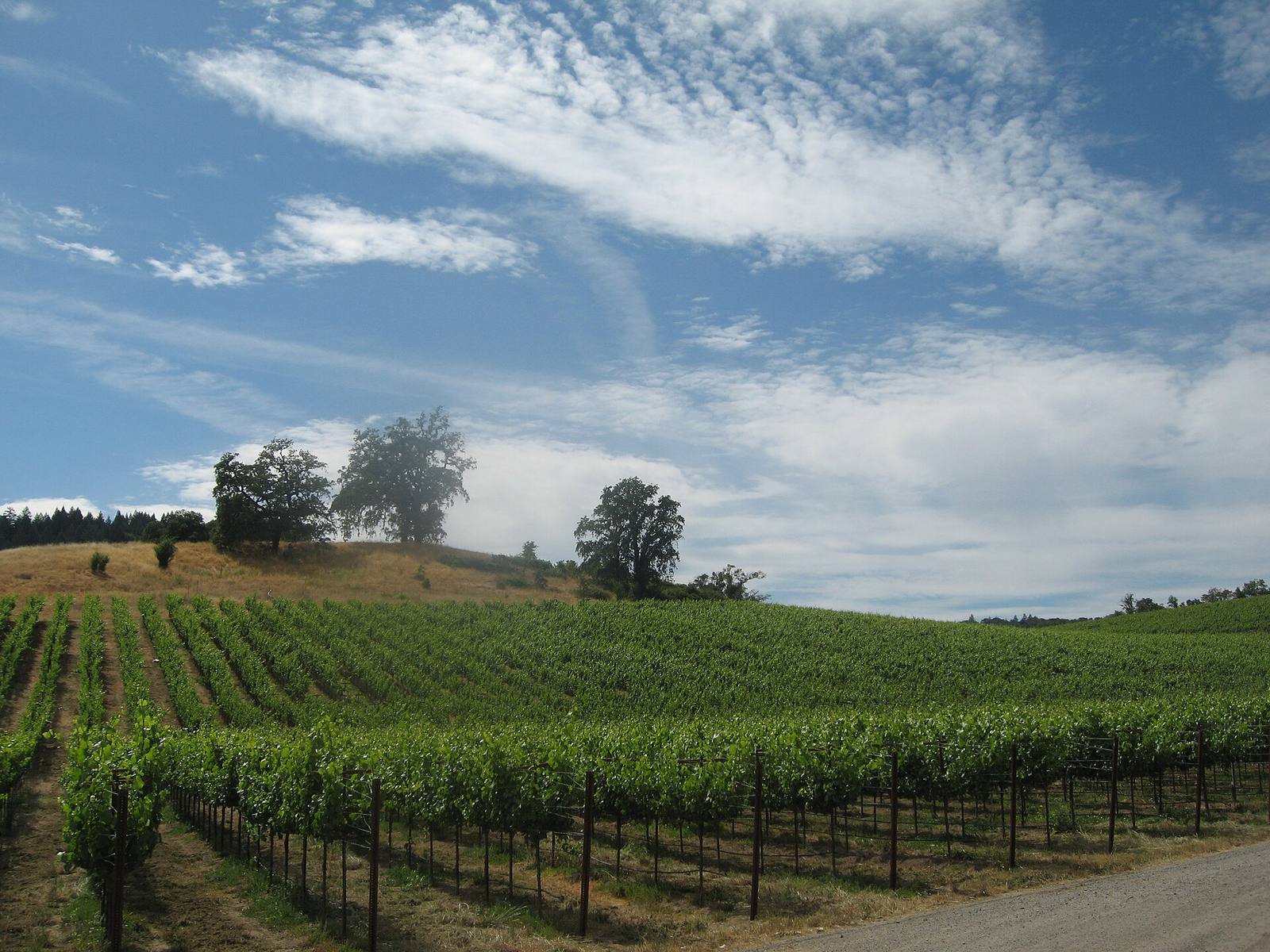
A season that started warm, then turned at bloom
The calendar ran early from the start. Warm spring weather came first, followed by a cold, wet and windy stretch during bloom that cut the crop, and then a summer the association called exceptional during the peak growing season. Duff Bevill of Bevill Vineyard Management in Dry Creek Valley traced the same sequence from the vineyard side: warm weather in late February woke the vines, a cool turn during flowering stretched pollination weeks beyond normal, and nearly every vineyard ended with much lower production than normal, with quality he called exceptional.
The first fruit came off on July 16 at Dutton Ranch, which Steve Dutton described as the first pick in Sonoma County and the earliest start the ranch has recorded. The association's July 24 harvest opening release had already flagged the same shape of season: a start that may be the earliest in the region's history, healthy vines, lower crop loads and fruit setting up with concentration and structure. Dutton, farming in the Green Valley and Russian River Valley areas, said the fruit that was picked showed concentration and balance, especially in Pinot Noir and Chardonnay.
Whites done in August, reds done by October 12 in Alexander Valley
The AVA reports in the October 19 announcement read as a county of early finish lines. In Alexander Valley, Bret Munselle of Munselle Vineyards said his operation started and finished its whites in August for the first time ever, with Chardonnay about 10 to 15 percent below its five year average, Sauvignon Blanc blocks at roughly half of that average, whites overall running four to five weeks earlier than normal, and reds finished by October 12, also a first. Jim Rickards of J. Rickards Vineyards and Winery, marking a 50th year farming in Sonoma County, paired one of the earliest harvests his operation has seen with one of its earliest budbreaks.
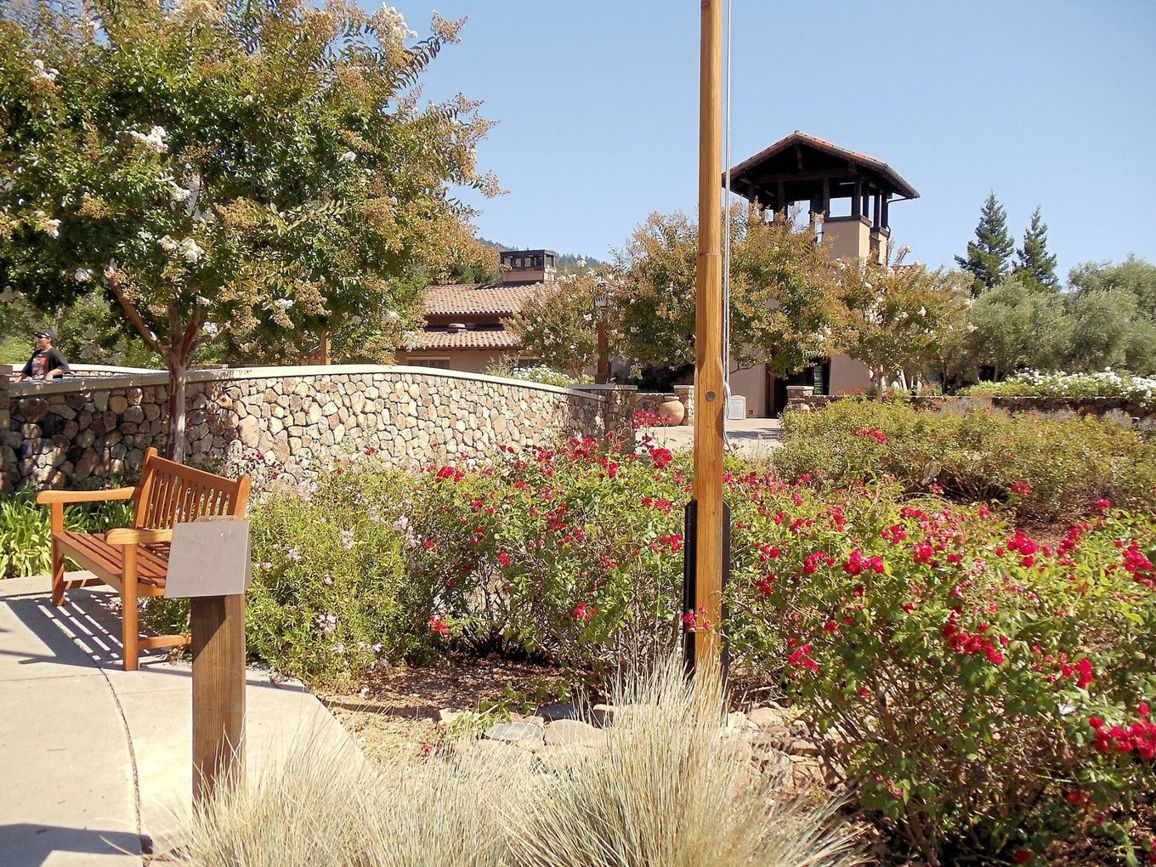
On the Sonoma Coast, Steve Sangiacomo of Sangiacomo Family Vineyards pointed to below average yields from the cool bloom period and to small berries as the quality marker of the vintage. At Rodney Strong Vineyards, Justin Seidenfeld called 2026 the earliest harvest of his career and one of the lightest, and said the concentration in the tanks is strong. In the Petaluma Gap, Tony Lombardi of Lombardi Wines credited the area's afternoon winds and marine air with keeping its Chardonnay and Pinot Noir bright, with generous acidity showing again this year. Brian Ball of Sphaerics Wine tied the early start to warm March weather and a smaller crop load, and the moderate summer temperatures to natural acidity and concentrated flavors.
What a light crop does to the grape market
Kruse said the association is hearing "tremendous excitement about the quality of the 2026 vintage" from the vineyard to the cellar, and that wineries are purchasing additional grapes to meet consumer demand. That buying interest matters in a year when many growers came into harvest with unsold fruit as the industry's standing problem. A short county crop does not erase the wider California surplus, but fruit that wineries are actively seeking is a different market from fruit looking for a buyer, and the association is presenting the 2026 shortfall as a step toward balance rather than a loss.
The remaining question is tonnage. The 35 to 40 percent figure in the announcement is an estimate made at the close of picking, before any official crush accounting. Until weighed totals are published, the trade is working from the growers' own early arithmetic: a very early season, a bloom period that cost the county a large share of its crop, and tanks that winemakers across five AVAs say are holding concentrated wine.
None to date. The Tribune corrects errors promptly and transparently. Read our corrections policy.