September closes on California's earliest harvest in a generation, and one of its lightest
The 2026 crush started in July, is tracking at roughly 80 percent of normal volume, and entered the season with about half the crop uncontracted.
NAPA VALLEY: September is closing on a California wine harvest that began in July, ran weeks ahead of schedule, and is tracking at roughly 80 percent of a typical crush, according to market analysis from broker Ciatti Company. It is the state's earliest harvest in a generation, and it is arriving in one of the weakest grape markets growers have seen in years.
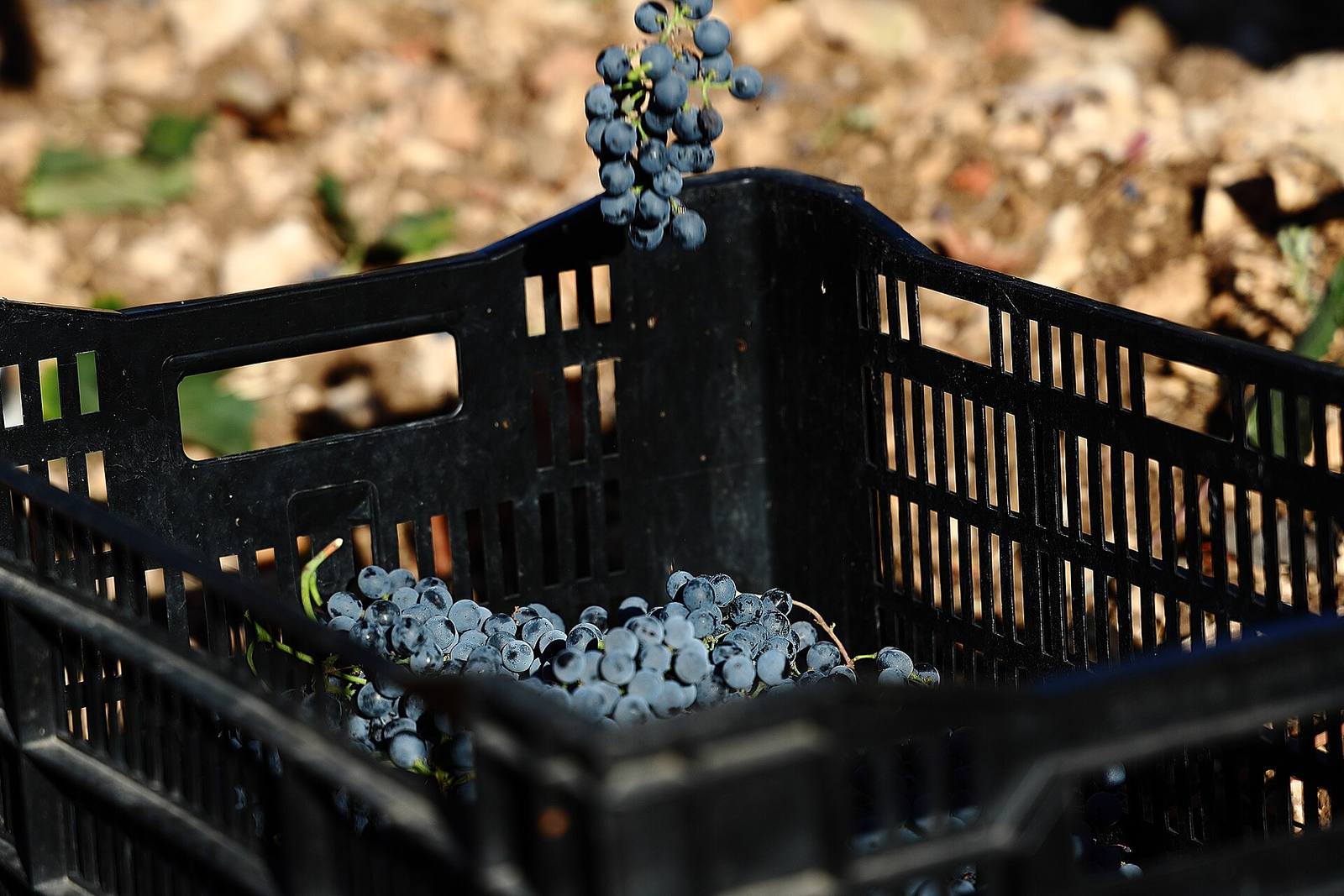
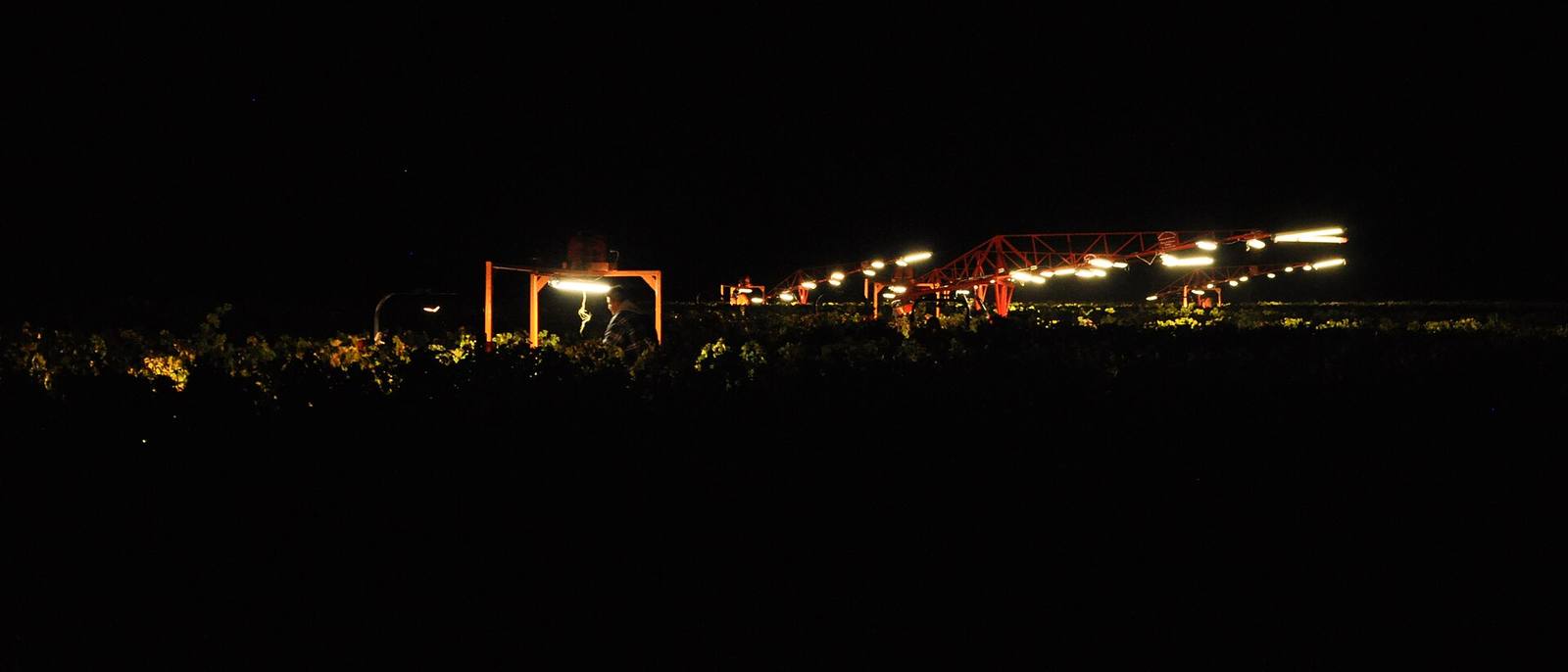
The season's bookends tell the story. Chandon California called its first pick on July 24, the earliest in the winery's 53-year history, breaking a record set on August 3, 2021. Only two other Napa vintages, 2014 and 2015, had ever begun in July. Winemaker Pauline Lhote, who gathered her team in the cool early-morning hours to bring in 30 tons of Chardonnay from the Yountville estate, called it "historic for Napa sparkling and most certainly a first for me," adding: "It is quite literally the earliest start in my 21 harvests at CHANDON."
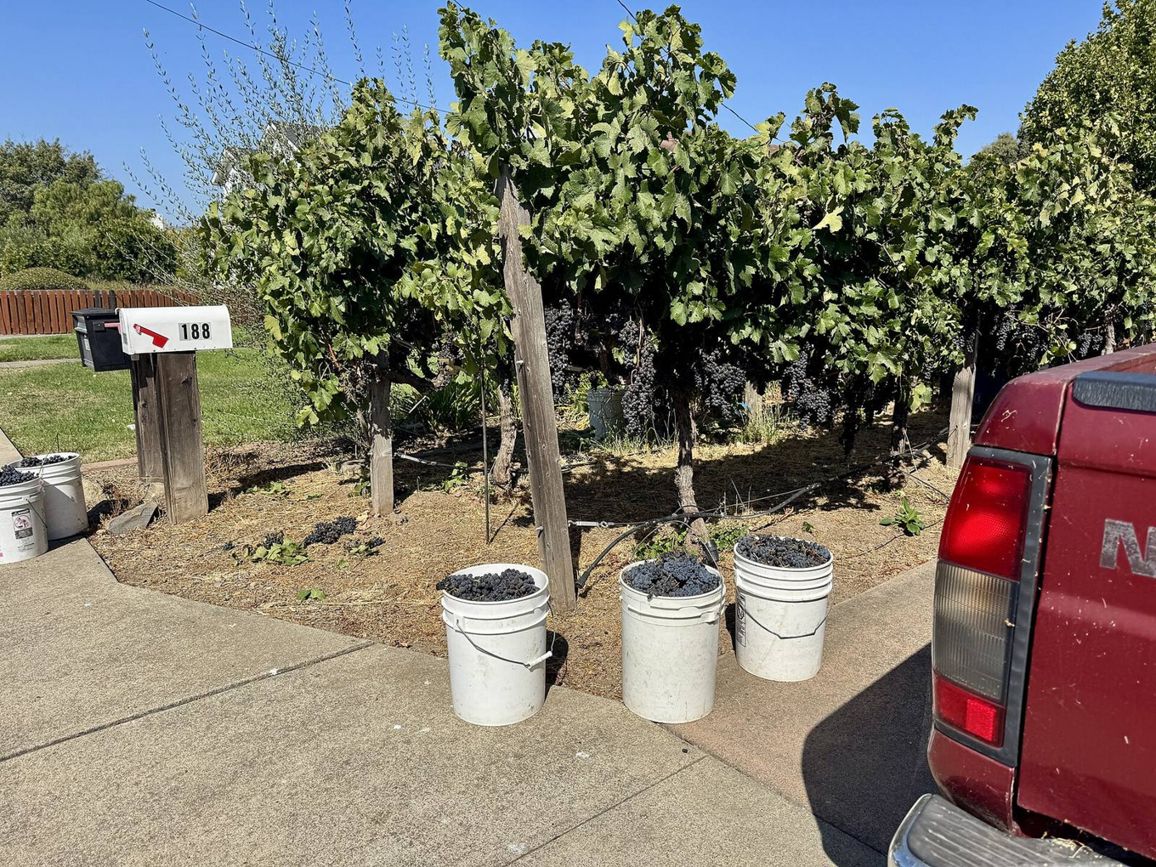
Sonoma County began what may be its earliest harvest on record, and growers there expect one of the lightest crops in recent years after cool, windy weather during bloom cut yields. "This is the earliest harvest I've experienced during my time with Sonoma County Winegrowers," said chief executive Karissa Kruse. "We believe this smaller harvest will help bring supply and demand into better balance and strengthen the long-term outlook for Sonoma County growers, wineries, and the region." At the far end of the season, Napa's Howell Mountain and Spring Mountain districts were still being picked as late as September, according to WineCap's September 29 harvest analysis.
Small berries, high hopes
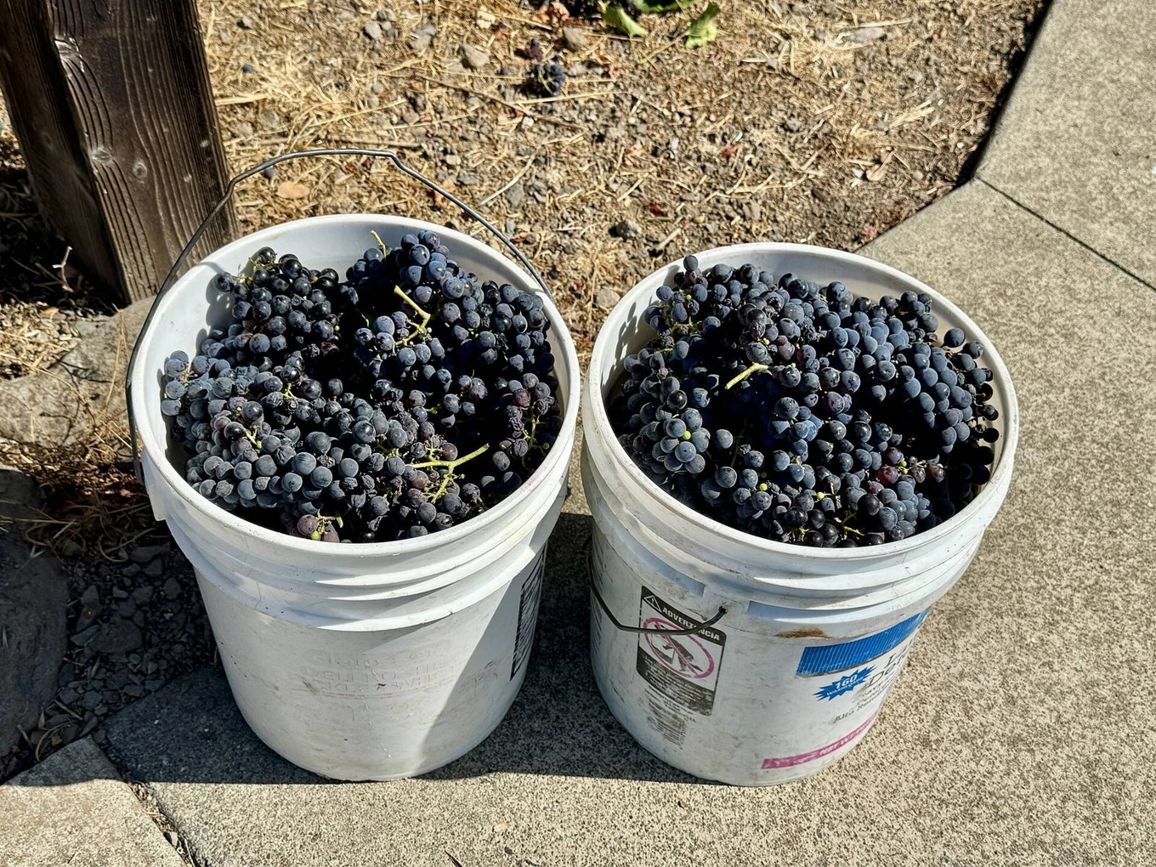
Quality reports are strong. Sparkling yields at Chandon came in roughly 15 to 20 percent below initial expectations, with millerandage, sometimes called "hen and chicken," visible on a number of clusters, but Lhote described the fruit as good quality. Marcus Notaro of Stag's Leap Wine Cellars is among the winemakers reporting high quality alongside low yields, and WineCap notes that even adjusting for reduced acreage, 2026 looks like a small California crop, though a promising one for quality.
The pattern extends beyond California. WineCap's analysis has the Northern Hemisphere harvest drawing to a close with smaller yields across France, Italy, and California after an unusually hot, dry growing season, and France on course for its smallest harvest since 1957.
A short crop meets a soft market
The paradox of 2026 is that scarcity has not brought strength. Ciatti reports selective replacement buying only, as sluggish consumer wine sales and a lingering surplus of bulk inventory keep a lid on grape prices. Wineries are hesitant to lock in expensive long-term contracts, the broker notes, leaning instead on existing cellar reserves and buying fruit only to fill specific portfolio gaps.
The numbers behind the hesitation are stark. About half of California's 2026 wine grape crop entered the harvest season without contracts with buyers, compared with 70 to 80 percent under contract in a typical year, according to Jeff Bitter, president of Allied Grape Growers, which represents about 500 farmers statewide. At the pandemic peak the state held almost 600,000 acres of vineyards; farmers have since removed or idled roughly a quarter of that land. Wine sales have fallen more than 20 percent over five years.
Third-generation Lodi grower Bill Berryhill, who could not find buyers for grapes on 200 of his 500 acres and plans to remove 50 acres when the season ends, put the year in plain terms: "It's just sickening. You raise a beautiful crop, and it's really a nice vintage this year, and you drop it on the ground. It's sad. All your work is just down the toilet." He added: "I will lose money for sure. It's just a matter of how much. This has been a big loser for three years now." Bitter's assessment of the market was blunter still: "The market is just so depressed that it's difficult to grow them profitably. Demand is not going up. It's still continuing to decline."
The state's preliminary crush report, due in the spring, will put a final number on the 2026 vintage. Until then the trade is left with the central question of the season: whether a short crop can finally bring supply and demand back into balance, or whether soft sales will keep even a light harvest on the wrong side of profitable. As Lhote put it: "Climate change keeps us on our toes. The new reality of winemaking is that we will always need to adapt. This won't be our last surprising harvest!"
None to date. The Tribune corrects errors promptly and transparently. Read our corrections policy.