Unemployment fell across wine country in September, and so did the workforce
Preliminary state figures released October 16 put Napa County's unemployment rate at 4.2 percent, the North Bay's lowest, with Sonoma County at 4.3 percent, even as both counties counted fewer people working or looking for work than a year earlier. Napa payrolls gained 700 farm jobs while beverage manufacturing, which includes wineries, shed 300.
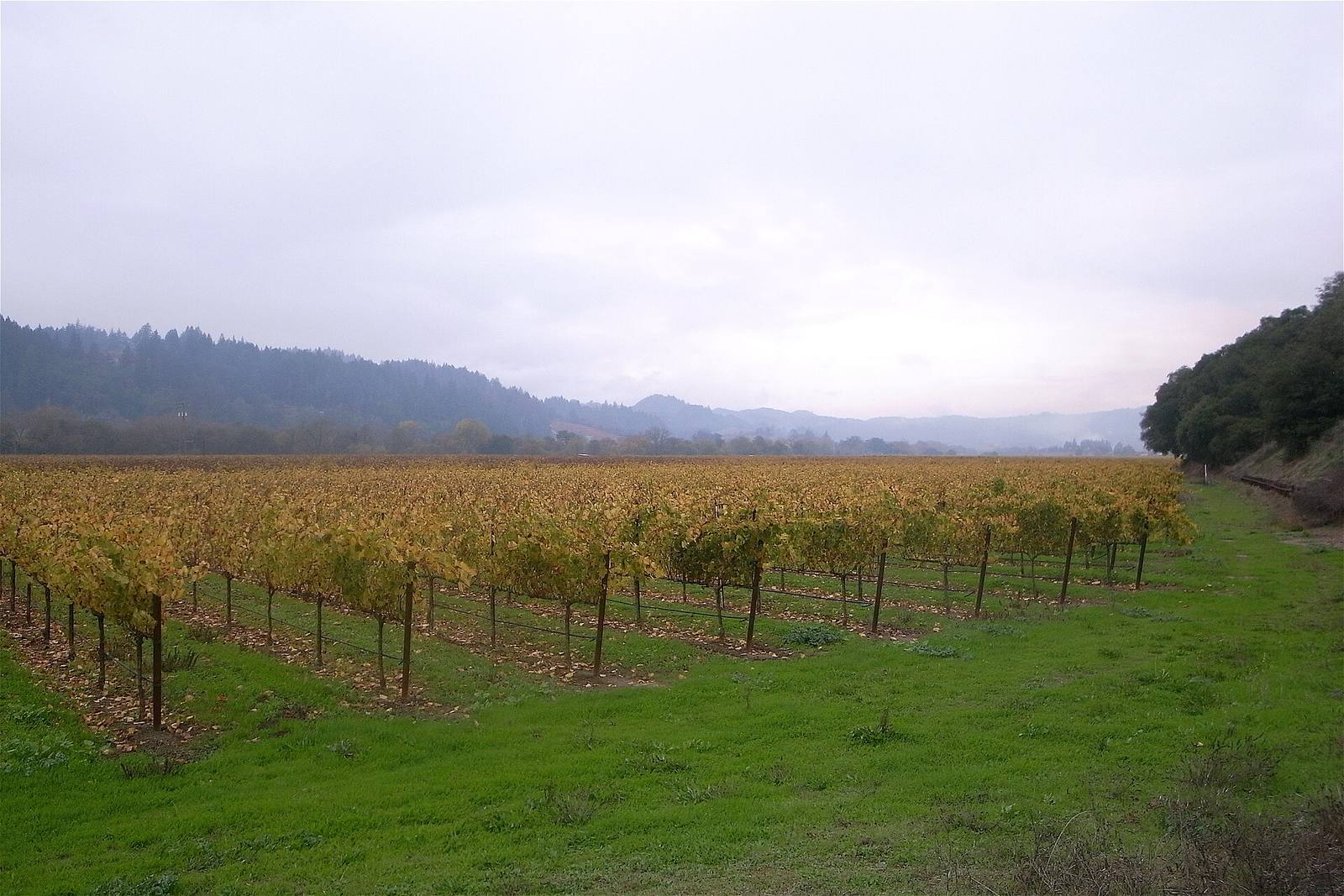
NAPA: Wine country's jobless rates fell in September, and its workforce shrank at the same time. Preliminary figures released on Friday, October 16, by the California Employment Development Department, and reported by the North Bay Business Journal, show unemployment declining in all six North Bay counties, while the region's combined labor force fell by 11,250 people, or 1.5 percent, from September 2025, and the number of employed residents declined by 9,230, or 1.3 percent.
Napa County retained the North Bay's lowest unemployment rate at 4.2 percent, the fourth lowest among California's 58 counties, down from 4.3 percent in August. Marin and Sonoma counties tied for sixth at 4.3 percent, with Sonoma improving from 4.5 percent in August. Both measures also rebounded from August across the region: the labor force increased by 5,910, or 0.8 percent, and resident employment rose by 6,960, or 1 percent.

Fewer people in the labor force
The year-over-year declines are the story underneath the rates. Napa's labor force fell 0.9 percent to 74,300, while resident employment fell 0.8 percent to 71,200. Sonoma's labor force fell 1.7 percent to 247,200, and its resident employment declined 1.5 percent to 236,500, though both Sonoma measures increased from August, by 0.6 percent and 0.8 percent respectively.
Eyler, a Sonoma State University economist who has been tracking the trend for months, told the Business Journal he sees little new in the year-over-year dynamics. He said the shrinking workforce could reflect retirements among an aging population, changes in immigration and migration, or revisions to preliminary estimates, and he framed the open question as whether another 5 or 6 percent reduction is coming, or whether the region is in a slow, steady 15-year leveling off.
Farms hired, wineries shed, healthcare carried
Employer payrolls told a different, more favorable story. Napa added 1,000 jobs over the year, up 1.2 percent, including 700 farm jobs, up 12.1 percent, and 400 leisure and hospitality positions. Beverage and tobacco product manufacturing, which includes wineries, declined by 300 jobs, or 2.4 percent. Sonoma added 1,300 jobs, up 0.6 percent, including 500 in leisure and hospitality and 400 in trade, transportation and utilities, while losing 400 manufacturing jobs and 300 in construction.

Healthcare did the heavy lifting across the region. Private education and health services accounted for a combined 3,860 additional North Bay jobs over the year, including 1,300 in Sonoma and 200 in Napa. Beacon Economics, in its seasonally adjusted regional analysis reported by the Business Journal, put Napa's year-over-year payroll growth at 1.9 percent, leading the Bay Area, while estimating that Napa lost 200 jobs in September alone on a seasonally adjusted basis, a different measure from the department's unadjusted county estimates.
Statewide, California's seasonally adjusted unemployment rate held at 5.1 percent in September, and employers added 129,300 nonfarm payroll jobs over the year, up 0.7 percent, the department reported. The Governor's office, announcing apprenticeship funding on October 16, cited the same state figures: 129,300 jobs created year over year, with the unemployment rate holding at 5.1 percent, matching its lowest level since February 2024.
For wine country employers, the two trends point in opposite directions at once. Harvest and hospitality payrolls are still growing, but the pool they hire from is getting smaller, and the fastest growing employer in the region is now healthcare. A lower unemployment rate built on a shrinking labor force is not a hiring market getting easier. It is a hiring market getting thinner.
None to date. The Tribune corrects errors promptly and transparently. Read our corrections policy.