A newcomer's guide to the valley
The institutions, the structure, and the working vocabulary of wine country's industry, for people who just arrived to work in it.
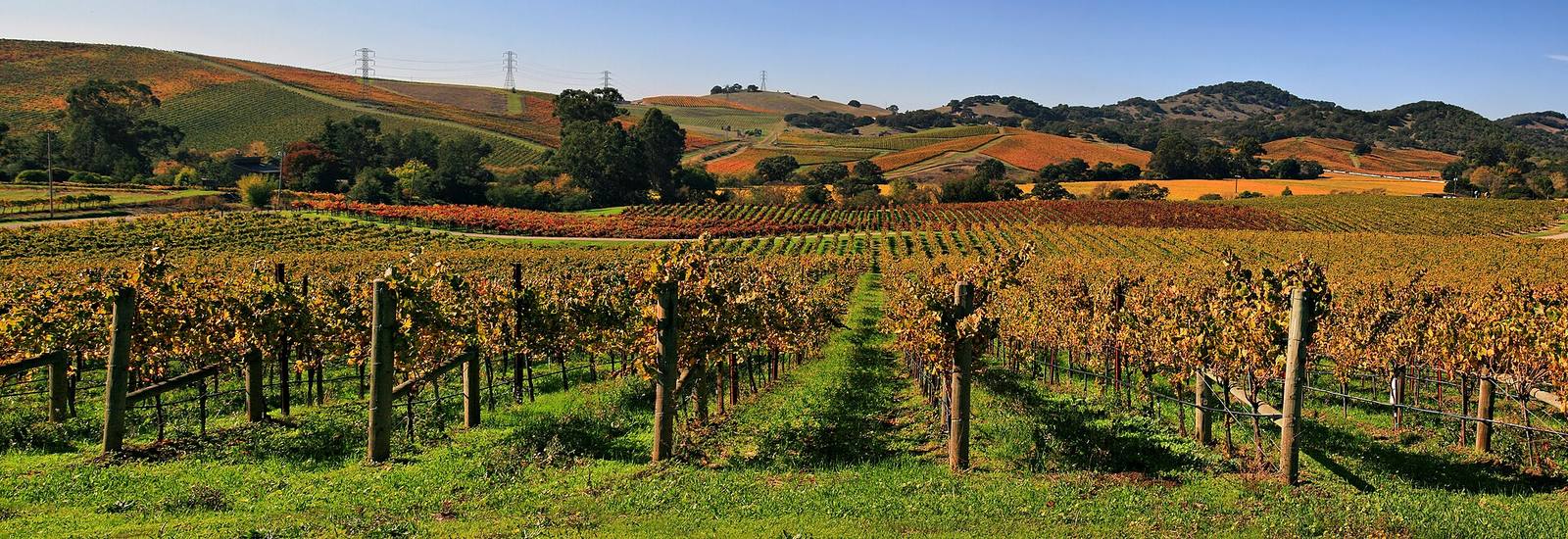
Wine country is not one place. It is two counties, Napa and Sonoma, plus the growers, buyers, and hospitality businesses that connect them to the world. If you have just arrived to work in the trade, this is the orientation the valley assumes you already have. Read it once, and you will stop nodding along to conversations you do not understand.
Start with the geography. Napa Valley is a compact valley floor where the industry is concentrated and visible; Sonoma County is larger and more spread out, its vineyards and wineries distributed across a wider landscape. The two counties share a labor market, a customer base, and a set of institutions, and they compete for both.
How the business is organized
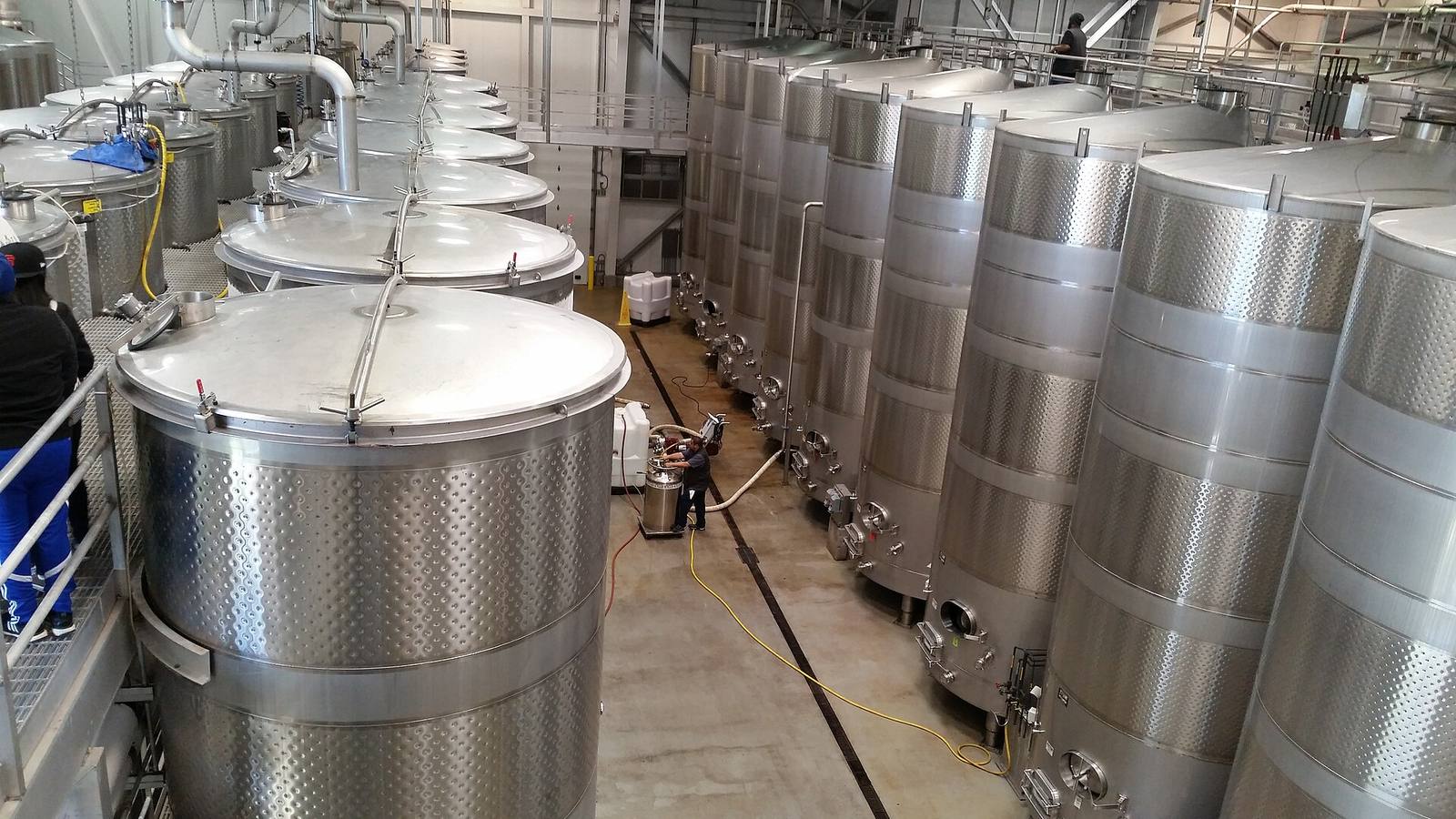
The work divides into growing, making, and selling, and most businesses do more than one. The economics differ by link in the chain: farming is seasonal and exposed to weather, production is capital intensive, and selling, through tasting rooms, wine clubs, and wholesale, is where the margin lives.
Direct to consumer sales deserve a newcomer's attention. A bottle sold in a tasting room or through a wine club carries the highest margin in the business, which is why hospitality is not a side project for wineries here. It is a profit center, and the numbers behind it are public.
Learn the vocabulary early. Crush is the harvest season's winemaking work. Veraison is the color change that starts final ripening. DTC means direct to consumer. AVA is the federal boundary system that defines where a wine comes from. Our guides to AVAs and to harvest season go deeper on both.
The institutions
The trade organizes itself through associations. The Napa Valley Vintners, founded in 1944, is the regional trade association for Napa wineries; its site listed 539 active winery members when this guide was researched. The Wine Institute, established in 1934, represents nearly 1,000 California wineries and affiliated businesses statewide.
On the government side, land use is where the industry meets the public. The Napa County Board of Supervisors and the Napa County Planning Commission make the decisions on winery permits and development in unincorporated Napa County, and their calendars and agendas are public. Our events page links the official calendars.
Wine country rewards people who learn it from the ground up. Start with the fruit, follow the money, and read the public records. The valley is small, the memories are long, and the fastest way to belong is to know how the place actually works.