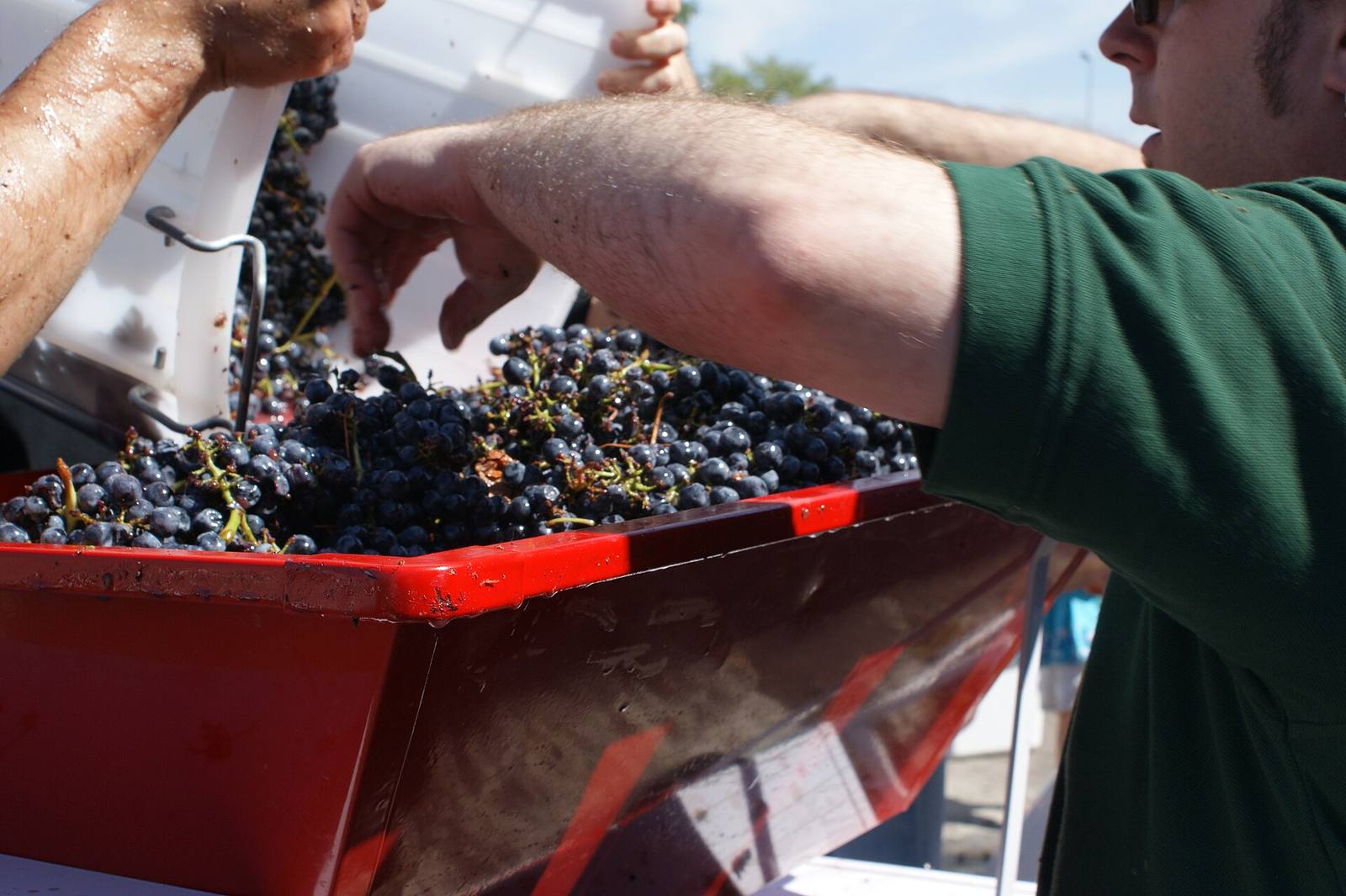
Harvest season: how it works
The order of the picking, who makes the call, and why the valley's busiest season runs on sugar, acid, and weather.
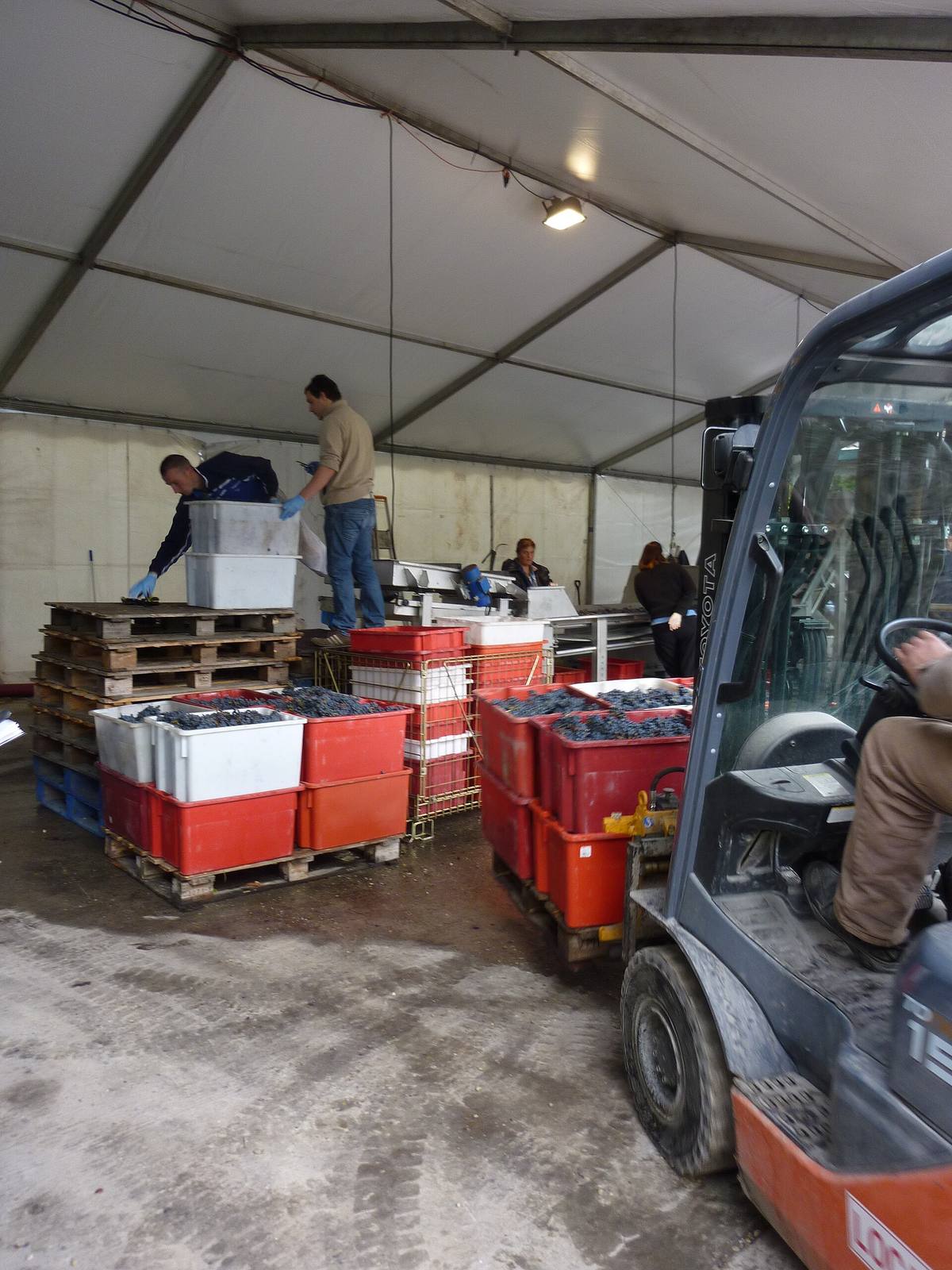
Harvest in wine country is not a date on the calendar. It is a sequence of picking decisions that usually runs from late summer into the fall, and the decisions are made block by block, variety by variety. Nobody picks because it is September. They pick because the fruit is ready.
The season's visible starting gun is veraison, when berries change color and begin their final push toward ripeness. From that point, winemakers and vineyard crews track sugar and acidity, tasting and testing, until each block reaches the ripeness its wine is meant to have.
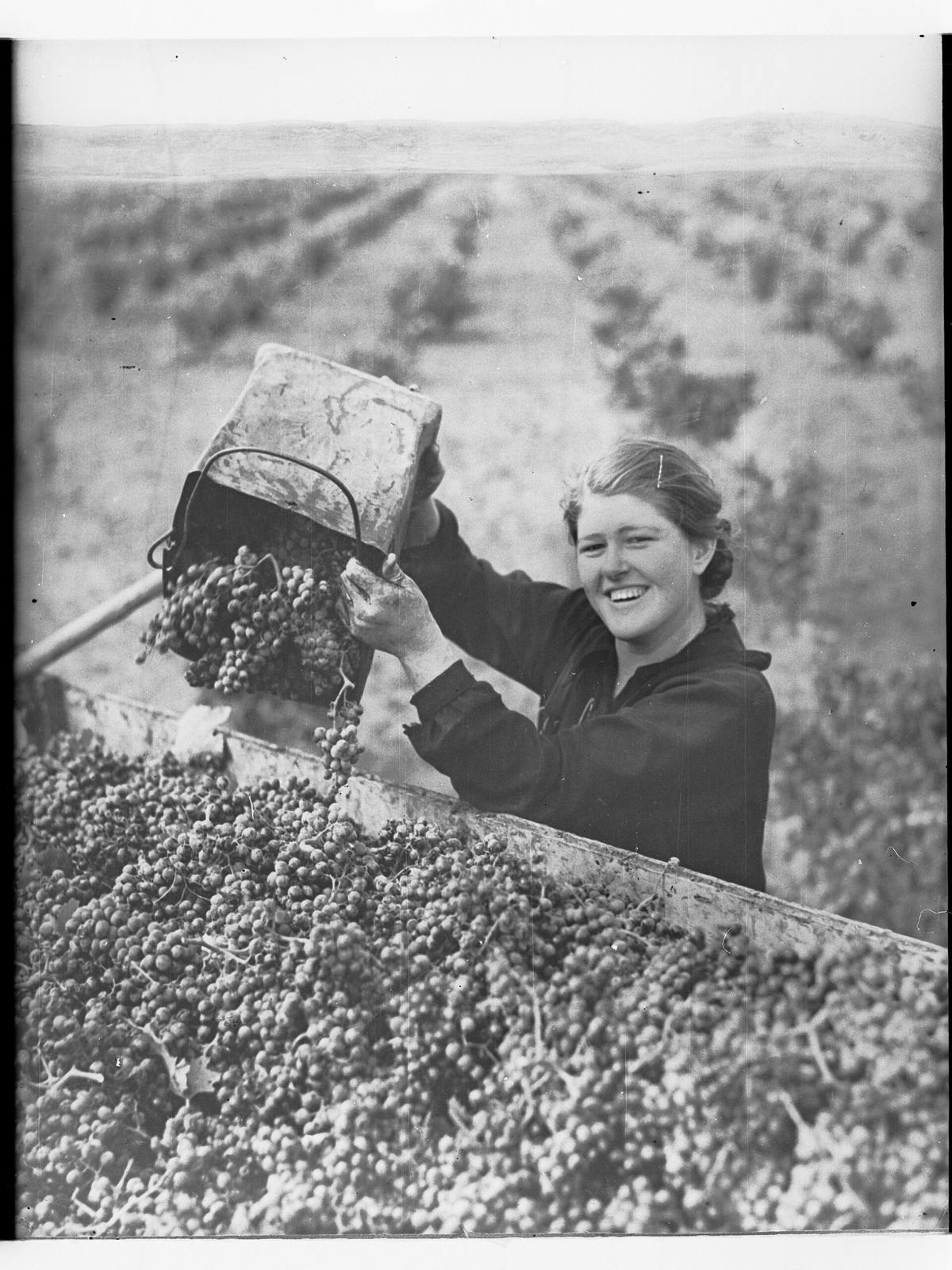
The order of the picking
Sparkling-wine grapes generally come in first. Fruit destined for sparkling wine is picked earlier, at lower sugar and higher acidity, than fruit meant for still wine, because the second fermentation will build structure the harvest did not.
Among still wines, white varieties generally precede the later-ripening reds. But the order is a tendency, not a schedule. Site, variety, weather, and the intended style can move any block weeks in either direction, and a hot spell or a cool fog bank can reorder the plan overnight.
Ripeness is the only clock that matters. A block is picked when its numbers and its flavors agree, and not before. That is why two neighboring vineyards can harvest the same variety weeks apart and both be right.
Who makes the call, and when
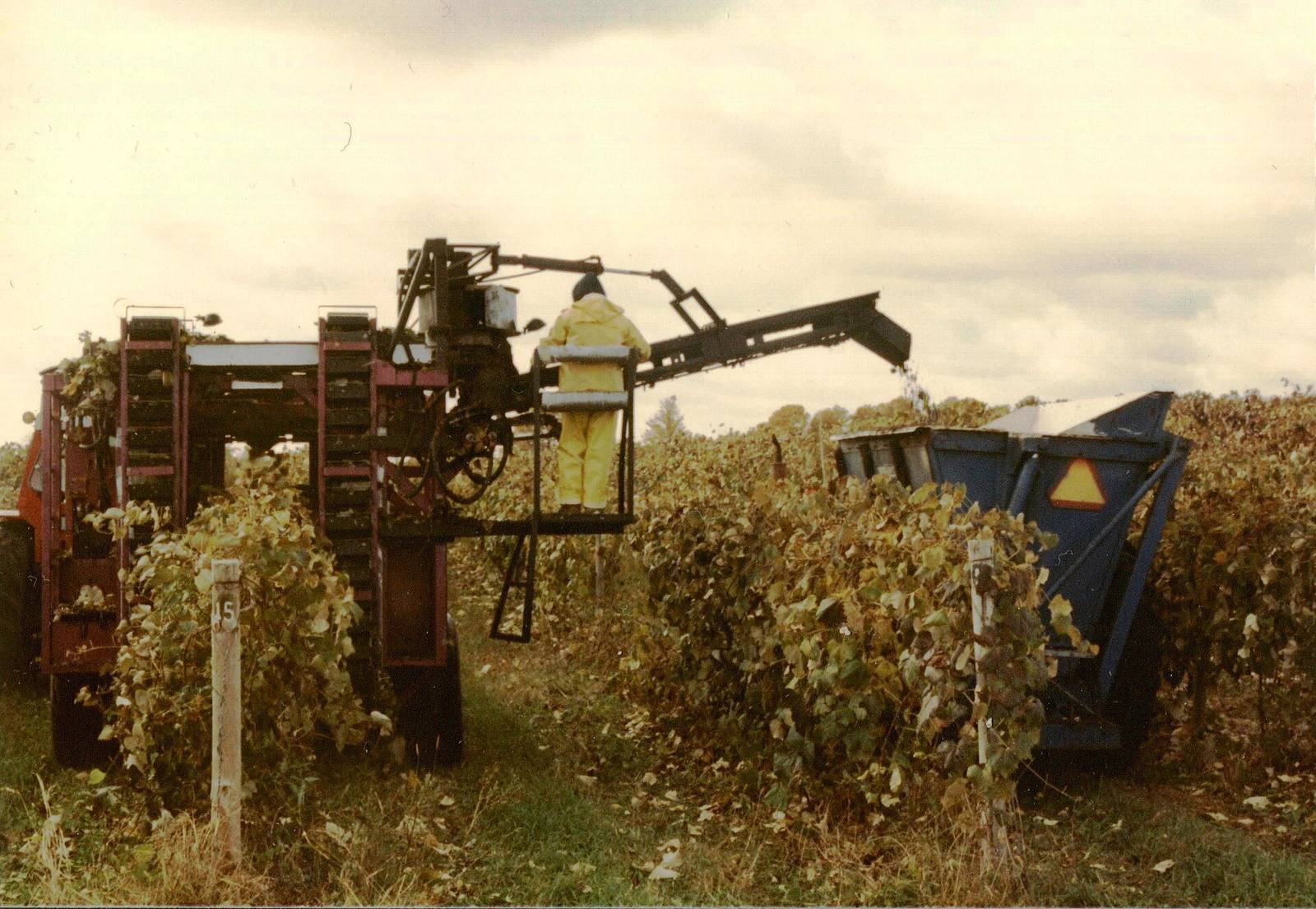
The decision belongs to the winemaker and the vineyard manager, made together and often remade daily as conditions change. Labor follows the decision: harvest crews move through the region in the order the fruit dictates.
Picking often starts before dawn or runs through the night. Cool fruit holds up better on the way to the winery, and crews can work ahead of the day's heat. What arrives at the crush pad in the morning was, in many cases, still on the vine at midnight.
When the last block comes in, the season is over and crush begins: sorting, destemming, and the start of fermentation. The vintage that marketers will name a year later is, by then, already decided in the quietest way possible, one picking decision at a time.