Wine country AVAs, explained
What an American Viticultural Area actually is, why its borders matter, and how to read a wine label like someone who knows.
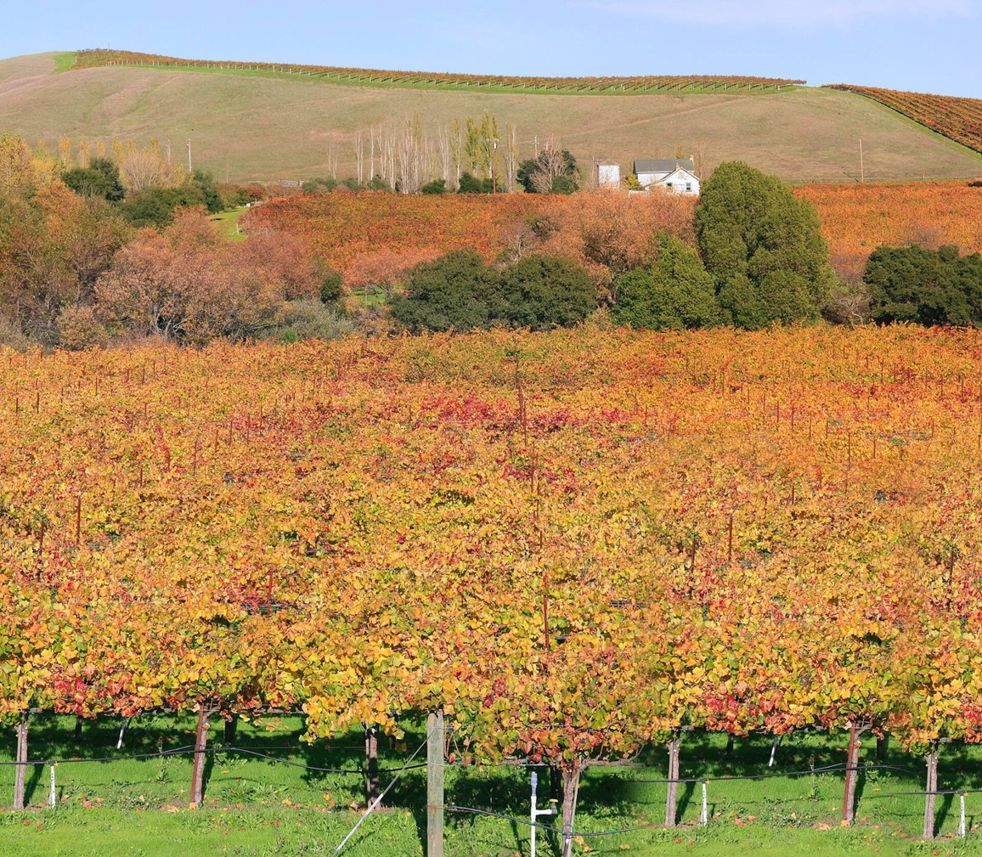
Every wine label that names a place is making a legal claim. When a bottle says Napa Valley, it is not describing a flavor or a style. It is promising that at least 85 percent of the grapes inside came from within a federally defined boundary. That boundary is an American Viticultural Area, an AVA, and it is the closest thing the American wine trade has to a formal definition of place.
The program is administered by the federal Alcohol and Tobacco Tax and Trade Bureau, which approves AVAs through a petition process. Approval requires evidence: a name that is known locally or nationally, boundaries drawn on geographic features, and growing conditions that distinguish the area from what surrounds it.
What the boundary does on a label
The legal force of an AVA lives in federal labeling rules. A wine that names an AVA as its appellation of origin must be made from at least 85 percent grapes grown inside that AVA's boundaries. The rule is what turns a place name into something a buyer can trust: the percentage is fixed, public, and enforceable.
That is also what an AVA is not. It is not a quality grade, and it does not describe a style. An AVA name answers one question, where the grapes grew, and leaves the rest of the story to the producer.
Boundaries inside boundaries
Napa Valley was among the first AVAs established, in 1981, and its map has kept subdividing since. Smaller AVAs sit inside it, each with its own petition, its own boundaries, and its own name. Oak Knoll District, in the southern part of the valley, is one of them: an AVA in its own right, nested inside the larger Napa Valley AVA.
Sonoma County holds 19 AVAs of its own. The newest, West Sonoma Coast, was established in 2022, covering the cool coastal vineyards west of the county's interior valleys. Each new boundary is an argument about what makes a place distinct, made in public and decided by the TTB.
Why the trade reads them
For buyers, an AVA is a shorthand that carries real information. It says which climate, which soils, and which regulatory history the fruit comes from, and it connects a bottle to a track record of vintages from that place. For producers, the right AVA on the label is a commercial asset, and the wrong one is a missed opportunity.
For readers of the trade press, the practical skill is simple: read the label from the outside in. The larger AVA tells you the region; the smaller one tells you the neighborhood. If the bottle names Oak Knoll District, at least 85 percent of its grapes grew there. Everything else on the label is the producer's argument about what that means.
