The FTC just put America's biggest alcohol distributor on a six-year pricing watch
Southern Glazer's Wine & Spirits settled the FTC's 2024 Robinson-Patman suit without admitting wrongdoing. For six years, an independent monitor will watch what it charges small shops versus big chains in 26 states, California included.

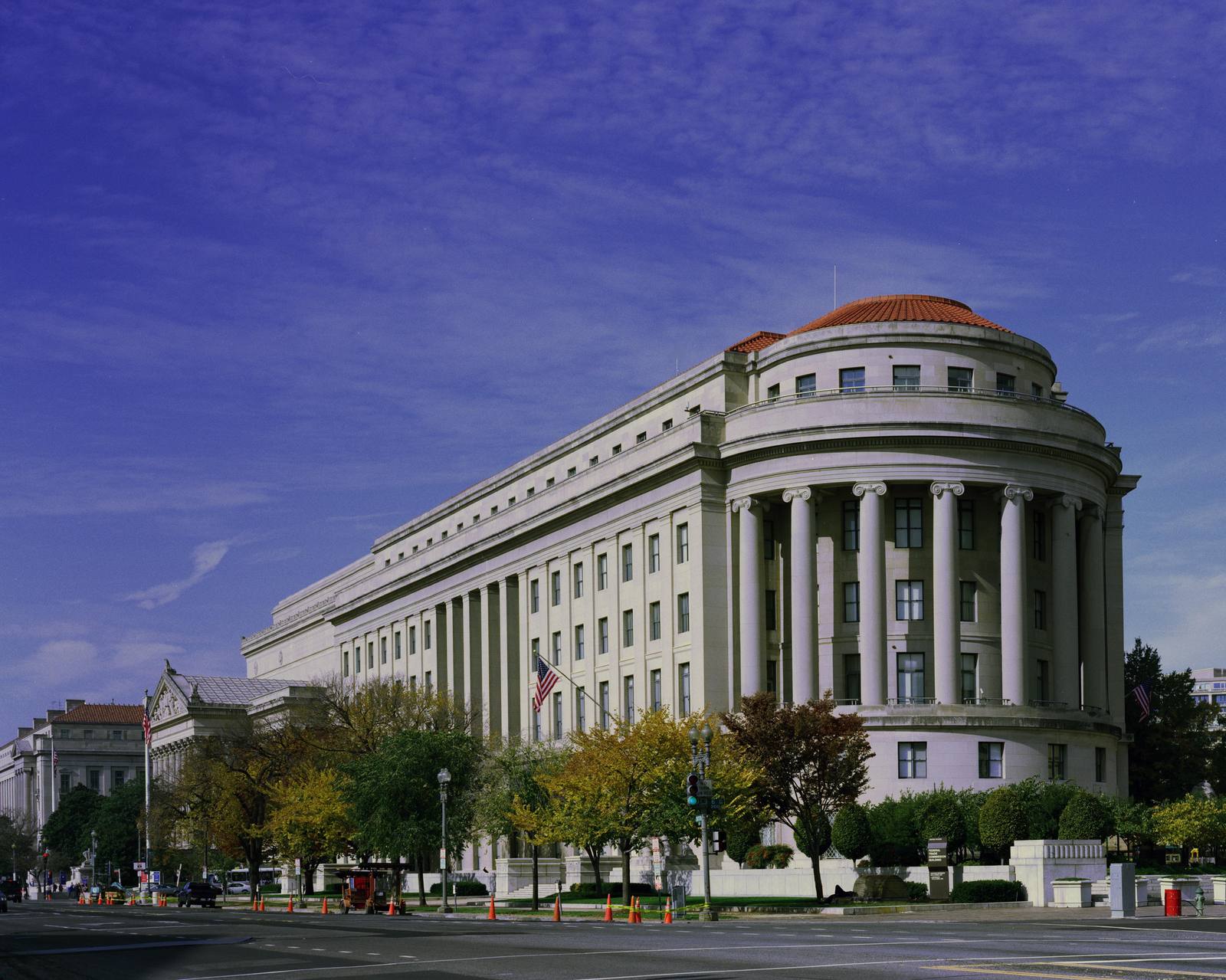
WASHINGTON: The Federal Trade Commission announced Friday it has settled its 2024 lawsuit against Southern Glazer's Wine & Spirits, the largest alcohol distributor in the United States, over claims the company charged small, independent retailers significantly more than large chains for the same bottles. Under a proposed stipulated order, an independent monitor will oversee the company's pricing for six years, and Southern Glazer's must pay the smaller retailer when the monitor finds significant or recurring price discrimination against an independent store near a larger one, the Associated Press reported.
The FTC sued in December 2024, accusing Southern Glazer's of violating the Robinson-Patman Act of 1936 by denying small shops the discounts and rebates it gave to chains including Total Wine, Walmart and Kroger, even when the stores stood blocks apart, according to the AP. The law permits volume discounts only when a seller can show the lower prices reflect real cost savings from selling in bulk.
The order covers Southern Glazer's sales to the five largest chain retailers in 26 states, including California. The company must open its books to the monitor twice a year. The FTC's lawsuit originally alleged discrimination in 33 states, but the agency dropped seven states after its investigation did not show the practice occurred there, the AP reported.
The case matters to the wine trade because of Southern Glazer's scale. The FTC says the company generated $26 billion in revenue from wine and spirits sales to retail customers in 2023 and distributes one out of every three bottles of wine and spirits sold in the United States, according to the AP. It is one of the largest privately held companies in the country.
Southern Glazer's admitted no wrongdoing. Its chief legal and compliance officer, Alan Greenspan, said the company did not violate the law, and that it does not expect material changes to its business or pricing practices under the order, Reuters reported. "The proposed order does not outright prohibit Southern Glazer's from engaging in any particular business activity, and we do not anticipate material changes to our business or pricing practices," Greenspan said.

"Small businesses are an invaluable part of the American economy and way of life," FTC Bureau of Competition Director Daniel Guarnera said, in a statement Reuters reported. Chairman Andrew Ferguson, who had voted against filing the suit and said the case was weak, called the settlement the best outcome for all sides. "The order is self-calibrating: Southern pays only where a monitor finds that an independent retailer actually paid more than a competing chain," Ferguson said. "If Southern obeys the law, its compliance costs are low."
The Robinson-Patman comeback
The case was the first FTC enforcement of the Robinson-Patman Act in decades, Reuters reported, and a priority of former chair Lina Khan. It moved forward after a federal court denied Southern Glazer's attempt to dismiss it in April 2025. In June, both sides asked the court to pause the litigation while they finalized the settlement terms, just-drinks reported.
What it means for the trade
Wine in most of the country moves through the three-tier system, and Southern Glazer's is the biggest pipe in it. The settlement does not set prices; it creates a penalty-backed reason to narrow the gap between what an independent bottle shop and a chain pay for the same wine. For wineries and growers watching their bottles compete on a crowded shelf, the case is a reminder that the price of a bottle is set twice: once at the winery gate, and again in the gap between the chains and the corner shop. The FTC has ramped up its focus on affordability as the midterm elections approach, weighing a new rule on misleading grocery and food-delivery fees and probing personalized pricing practices, Reuters reported.
None to date. The Tribune corrects errors promptly and transparently. Read our corrections policy.