An auction is not a distress signal. It is a price.
Benessere's $9 million auction open, after a $19 million ask, looks like honesty to this column. The trade should want more of it.
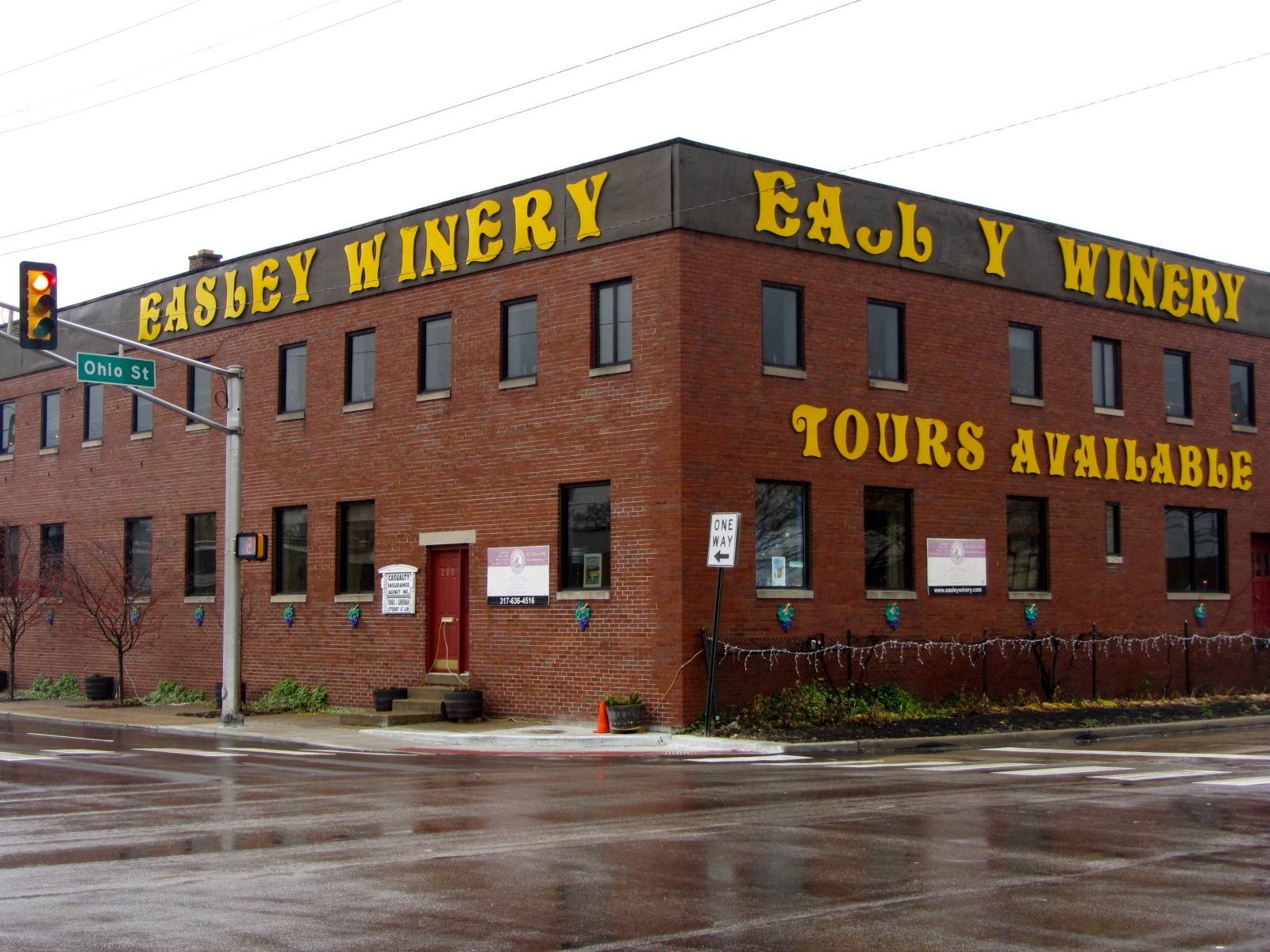
When Concierge Auctions announced bidding open at $9 million for Benessere Vineyards, originally listed at $19 million, the trade's first instinct was to read it as distress. That instinct is wrong, and it is costing sellers money.
An auction is not an admission of failure. It is a mechanism for discovering the price when private negotiation has stopped producing one. The $10 million gap between the original ask and the auction open is not the property's shame; it is the market's information, delivered in public, where everyone can use it.

Consider the alternative, which is the current norm: a vineyard estate listed at an aspirational number, sitting for a year, taking quiet price cuts, with every buyer in the valley doing the same subtraction in private. That process discovers the same price, slower, with more embarrassment and less competition.
Concierge Auctions' bet, a dedicated Global Wine and Vineyard Division, is that wine-country real estate is a large enough asset class to deserve real market machinery: reserves, open bidding, a global audience. For a category where comparable sales are scarce and every property is unique, the auction format may actually be more honest than the listing format.
The column's prediction: within two years, the auction block will be a routine channel for vineyard estates above $5 million, and the stigma will look as dated as the idea that selling wine at auction meant the winery was failing. Price discovery is a service. The trade should pay for it, use it, and stop whispering about it.
None to date. The Tribune corrects errors promptly and transparently. Read our corrections policy.