Has California pulled up too many vines? A St. Helena CEO says the surplus is over
In a 16-page analysis, Spring Mountain Vineyard CEO Peter Ekman argues growers have already removed enough vineyard to match demand, and warns the industry could overshoot into shortage. The growers' co-op's own balance range sits close to his; what lingers is inventory.

ST. HELENA: California may already have pulled up enough vineyard to match its smaller wine market. That is the conclusion of a 16-page analysis Peter Ekman, the chief executive of Spring Mountain Vineyard, published in September under the title "California's Grape Surplus May Be Over." At today's demand, Ekman estimates, the state's commercially productive winegrape acreage will land between 400,000 and 420,000 acres by the end of 2026, essentially the range his model says the market now requires.
The imbalance that remains, in his account, is inventory rather than acreage. Wineries and distributors still hold elevated stocks of wine already made, so grape purchasing can stay weak even once the vineyard base fits demand. Ekman's closing question is the measure of the turn: the industry's question, he writes, may soon shift from "How many more vineyards need to be removed?" to "How much vineyard capacity can California afford to lose?"
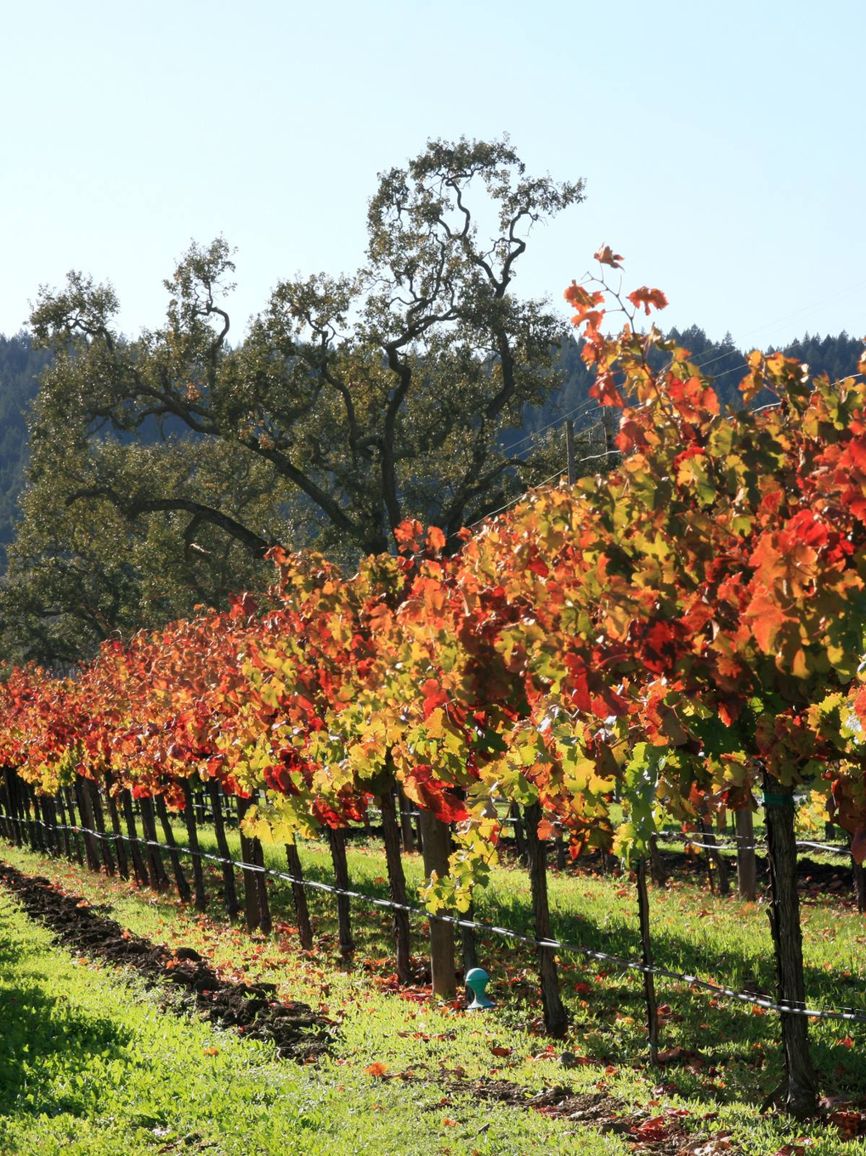
Ekman's arithmetic starts from removal. Land IQ, the satellite-mapping firm his analysis leans on, identified 38,134 acres of vineyard removed between October 1, 2024 and August 1, 2025, and Allied Grape Growers estimates roughly another 40,000 acres could come out in 2026. Standing acreage, he projects, falls to between 437,000 and 442,000 acres by the end of 2026. From that base he discounts a further 5 to 8 percent of acreage as idle, mothballed, or abandoned, between 17,000 and 42,000 acres. "This is an analytical assumption, not a reported statistic," the analysis cautions. What survives the discount is his 400,000-to-420,000-acre productive range. The Associated Press reported in September that growers have taken roughly a quarter of the state's vineyards out of production since the pandemic-era peak of almost 600,000 acres.
The benchmark keeps moving
Ekman's range lands close to the industry's own yardstick. Allied Grape Growers, the growers' cooperative, estimates California needs roughly 410,000 to 425,000 productive bearing acres for longer-term balance, figures Ekman's analysis adopts. But the cooperative's president, Jeff Bitter, has since told the San Francisco Chronicle that the balance point has moved below 400,000 acres as demand kept sliding, while allowing that calling the state near balance would not be wrong. His caveat is the inventory overhang: unsold wine from earlier vintages keeps the spot market softer than the acreage math alone suggests, and he expects another significant year of removals.
The brokers strike the same caution from the other side. Glenn Proctor, a partner at the wine and grape brokerage Ciatti, told the Chronicle he sees a high chance growers overshoot the correction and remove too much, discovering it only later, and pointed to the pattern's history: shortage cycles have followed oversupply roughly every six to 10 years since the 1970s, most recently after 2012. Ekman's own broker figures show the buffer that would cushion a shortage: Turrentine Brokerage counted about 28 million gallons of bulk wine offered for sale in August 2026, and estimated only 15 to 17 million of those gallons had a realistic commercial home.
Why the math matters now
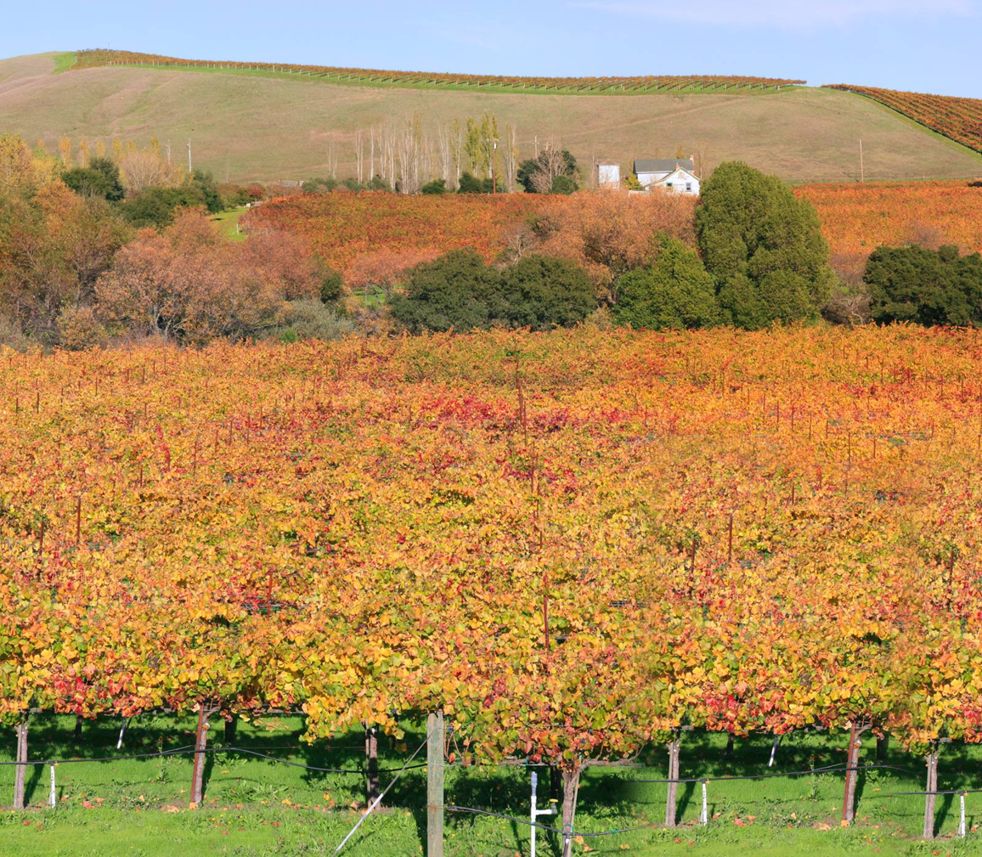
The demand side keeps the argument honest. The AP reported that wine sales have fallen by more than 20 percent over a five-year period, and that about half of this year's wine grape crop entered harvest without contracts with buyers, compared with 70 to 80 percent under contract in a typical year. Ekman's baseline is 200 million cases of domestic demand, down from 240.5 million cases shipped in 2021, and his model turns on it: at 190 million cases the state would still carry 13,000 to 33,000 excess acres, while at 210 million it could already be short of capacity. Bitter told Farm Press in February that growers were on track to remove another 40,000 acres in 2026, after about 37,000 acres in 2024 and 40,000 more following the 2024 harvest.
Ekman, who has led Spring Mountain Vineyard through its post-wildfire revitalization since 2023, has a direct stake in the answer: the estate's future business rests largely on selling grapes, so whether the state's vineyard base has reached equilibrium decides how he farms and sells from here.
None to date. The Tribune corrects errors promptly and transparently. Read our corrections policy.