The hourglass economy: the middle is where wineries go to die
The top quartile grew revenue 22 percent while the bottom fell 13 percent. SVB's verdict: too big for DtC, too small for distributors, is the place to avoid.
NAPA: The American wine industry has split in two, and the dividing line runs through the middle of every winery size chart. Silicon Valley Bank's 2026 Direct-to-Consumer Wine Report, covered by Forbes, found top-performing wineries grew revenue 22 percent in 2025 while the bottom performers fell 13 percent. The median winery did not grow at all.
The demand backdrop explains the pressure. U.S. wine case sales fell 23 percent from 427 million in 2020 to 329 million in 2025, and total wine spending fell 22 percent from $94 billion to $74 billion, according to First Citizens Bank's State of the Wine Industry Report, via the Los Angeles Post. There are fewer cases and fewer dollars, and the fight over them is asymmetric.
SVB's structural diagnosis, via The Drinks Business, is the sentence every mid-size winery owner should pin to the wall: being stuck in the middle, too big to take a DtC focus and too small to get distributors to sell your brand, is something to be avoided. The middle has the costs of scale without the channels of scale.
The pricing data shows the hourglass. Premium demand remains viable, the report says, but it now requires persuasive value communication and hospitality-led differentiation rather than price increases alone. The $20 to $29 tier and the $100-plus tier show growth expectations; wines below $20 remain weak, continuing the long downtrend in everyday table wine.
The capital markets have noticed. Fewer than one in five surveyed wineries expressed active interest in buying facilities, vineyards, or brands, while 18 percent said a sale within five years was likely. Rising seller interest against falling buyer interest means continued pressure on valuations for undifferentiated assets, and opportunity for well-capitalized buyers who understand today's demand.
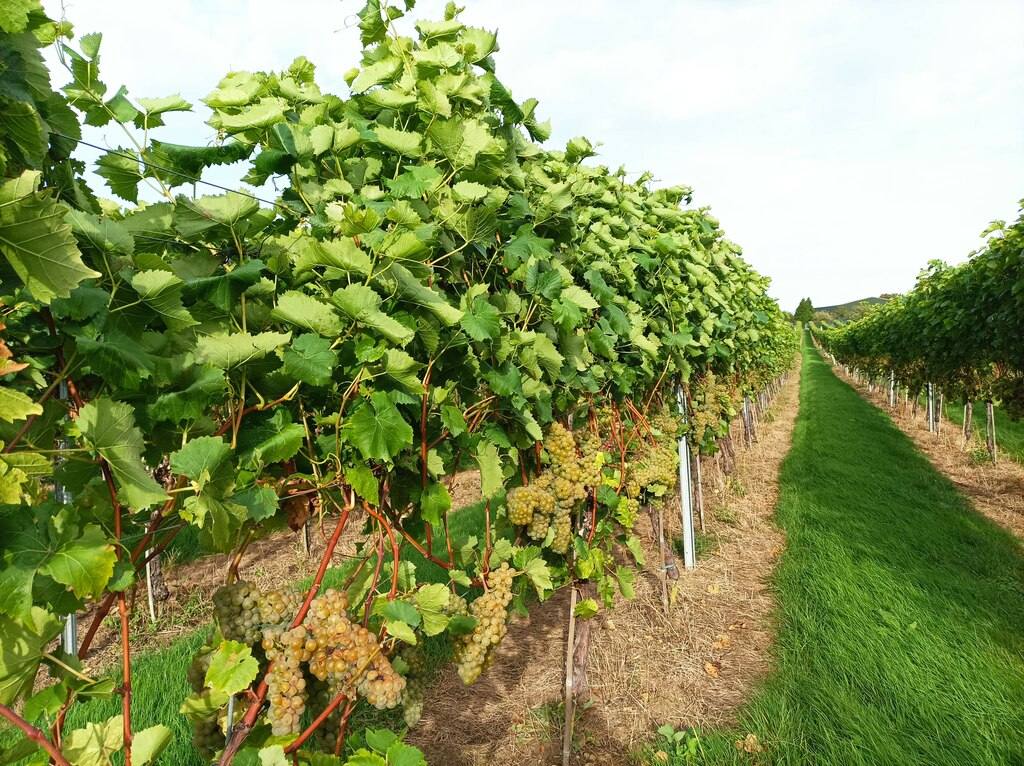
The report's grimmest line is agronomic: more vines must be ripped out. Oversupply does not clear through marketing. It clears through acreage, and the acreage being cleared is the middle's.
The strategic implication is binary, which is why the industry hates it. Get small enough to be a true DtC business, with the customer relationships and hospitality to support it, or get large enough to matter to distributors. The middle is not a strategy. It is a waiting room, and the rent is due.
None to date. The Tribune corrects errors promptly and transparently. Read our corrections policy.